
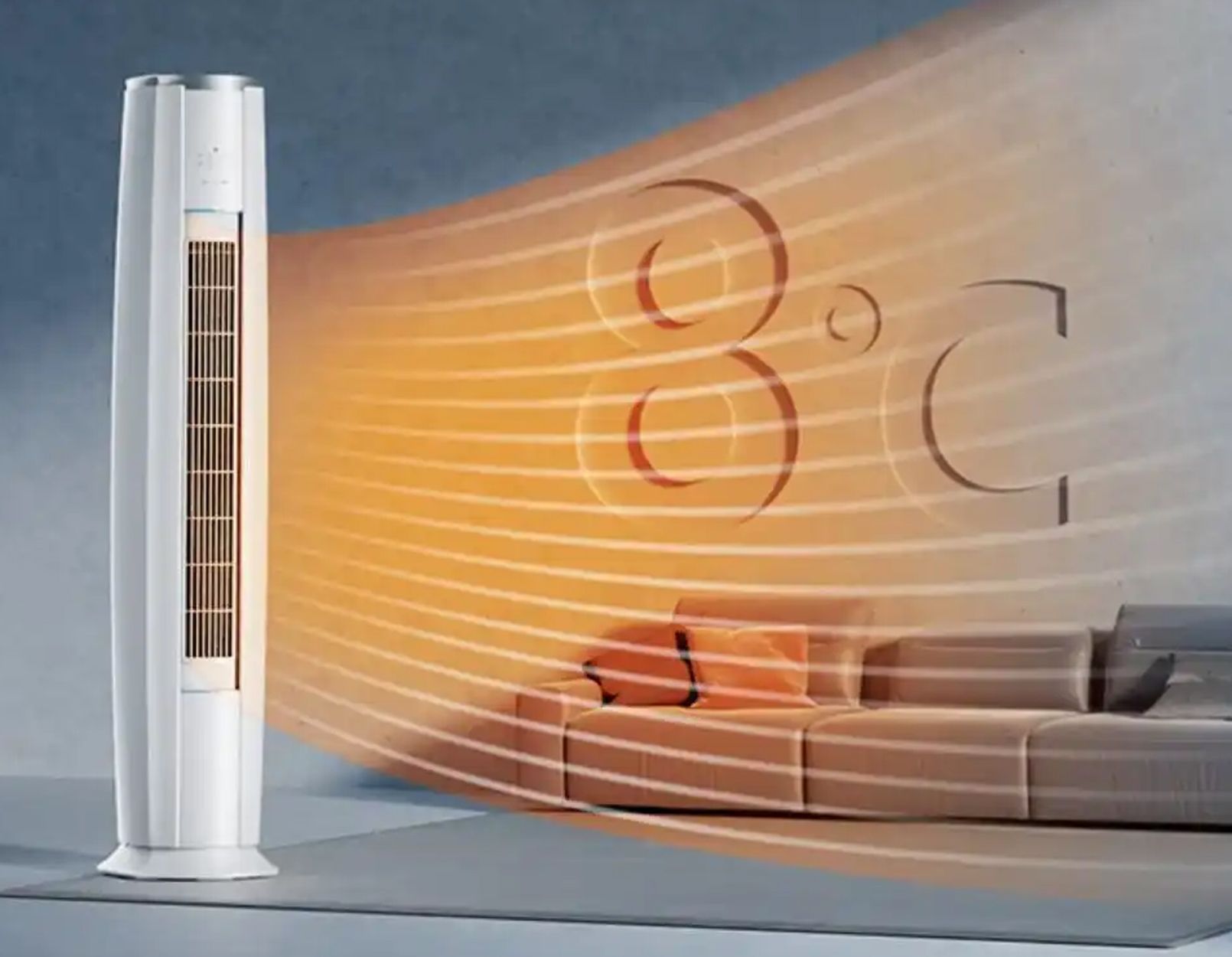
With the rapid development of technology, more and more smart products have entered our daily lives. As a commonly used appliance in the home, smart air conditioners bring us a lot of convenience. However, due to environmental factors outside the air conditioner, such as wind, rain, sun exposure and other weather conditions, the service life of the air conditioner may be affected. Is there a way to effectively protect our smart air conditioners? The answer is the waterproof and moisture-proof nano protective coating of smart air conditioners!
With the rapid development of technology, more and more smart products have entered our daily lives. As a commonly used appliance in the home, smart air conditioners bring us a lot of convenience. However, due to environmental factors outside the air conditioner, such as wind, rain, sun exposure and other weather conditions, the service life of the air conditioner may be affected. Is there a way to effectively protect our smart air conditioners? The answer is the waterproof and moisture-proof nano protective coating of smart air conditioners!
I. Nano-Protective Coating Technology
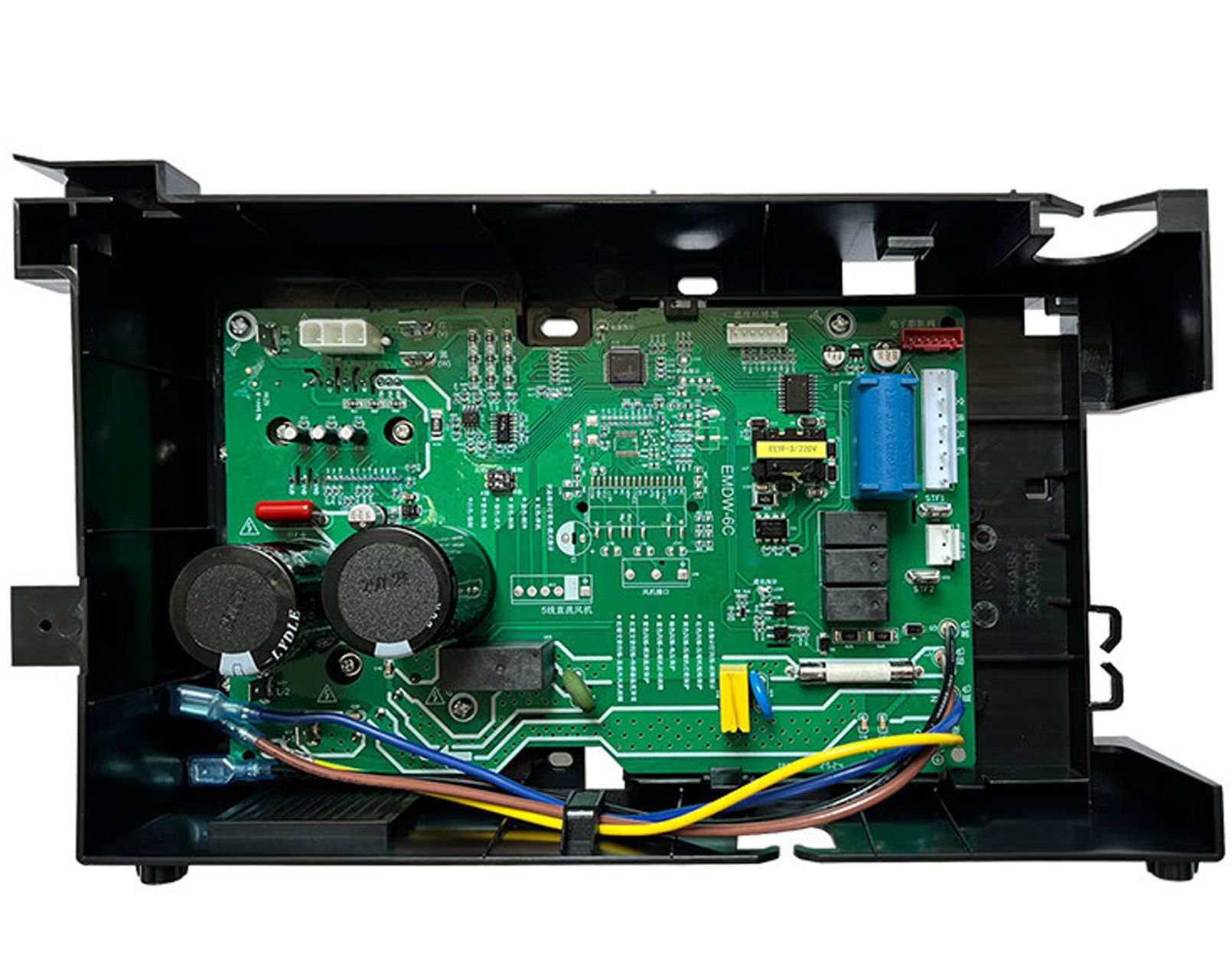
Derived from nanoscience, nano-protective coating technology involves applying a thin film to an object's surface to impart properties such as hydrophobicity and oleophobicity. In smart air conditioners utilizing this technology, circuit boards and components are covered with a nano-protective coating. This effectively blocks the intrusion of water vapor and moisture, ensuring the proper functioning of internal components, extending the unit's service life, reducing maintenance costs, and enhancing brand value.
II. Advantages of Nano-Protective Coatings
Water and Moisture Resistance: The coating effectively prevents liquids—such as rain and mist—from penetrating the smart air conditioner's interior. It achieves IPX6, IPX7, and IP67 waterproof ratings, thereby preventing short circuits and other forms of damage. The air conditioner continues to operate normally even in humid environments.
Salt Spray Resistance: Tests conducted on tinplate samples showed that coated samples remained free of surface corrosion, whereas uncoated (control) samples exhibited corrosion. Test conditions: 72 hours, 5% NaCl, pH 6.5 (GB 10125-2012).
Acid and Alkali Resistance: Tests on tinplate samples showed that untreated samples suffered significant corrosion, while treated samples showed no abnormalities such as wrinkling, blistering, peeling, cracking, rusting, mold growth, or spotting. Test conditions: 96 hours (pH 2.0) and 96 hours (pH 12.0).
Easy Maintenance: The coating simplifies cleaning and maintenance; no special cleaning agents are required, and faulty points can be soldered directly without removing the coating.
Eco-friendly and Non-toxic: The coating is made from environmentally friendly materials, contains no harmful substances, and poses no risk to human health or the environment.
III. How is the nano-protective coating applied?
The nano-coating process is simple and can be performed in-house. It involves a direct immersion method: submerge the device (ideally to a depth of 1–2 cm) for 3–5 seconds, lift it out, allow the excess solution to drain, and let it air-dry for 3 minutes. This straightforward process saves on labor costs. For high-volume production, you can opt for a contract coating service (such as those offered by Paiqi Nano) or purchase your own coating equipment for batch processing.
This nano-protective coating—designed to provide waterproofing and moisture resistance for smart air conditioners—offers manufacturers a highly efficient and practical solution. By adopting this technology, you can effectively protect your smart air conditioners, extend their service life, and reduce maintenance costs.
With the rapid development of technology, more and more smart products have entered our daily lives. As a commonly used appliance in the home, smart air conditioners bring us a lot of convenience. However, due to environmental factors outside the air conditioner, such as wind, rain, sun exposure and other weather conditions, the service life of the air conditioner may be affected. Is there a way to effectively protect our smart air conditioners? The answer is the waterproof and moisture-proof nano protective coating of smart air conditioners!
With the rapid development of technology, more and more smart products have entered our daily lives. As a commonly used appliance in the home, smart air conditioners bring us a lot of convenience. However, due to environmental factors outside the air conditioner, such as wind, rain, sun exposure and other weather conditions, the service life of the air conditioner may be affected. Is there a way to effectively protect our smart air conditioners? The answer is the waterproof and moisture-proof nano protective coating of smart air conditioners!
I. Nano-Protective Coating Technology
Derived from nanoscience, nano-protective coating technology involves applying a thin film to an object's surface to impart properties such as hydrophobicity and oleophobicity. In smart air conditioners utilizing this technology, circuit boards and components are covered with a nano-protective coating. This effectively blocks the intrusion of water vapor and moisture, ensuring the proper functioning of internal components, extending the unit's service life, reducing maintenance costs, and enhancing brand value.
II. Advantages of Nano-Protective Coatings
Water and Moisture Resistance: The coating effectively prevents liquids—such as rain and mist—from penetrating the smart air conditioner's interior. It achieves IPX6, IPX7, and IP67 waterproof ratings, thereby preventing short circuits and other forms of damage. The air conditioner continues to operate normally even in humid environments.
Salt Spray Resistance: Tests conducted on tinplate samples showed that coated samples remained free of surface corrosion, whereas uncoated (control) samples exhibited corrosion. Test conditions: 72 hours, 5% NaCl, pH 6.5 (GB 10125-2012).
Acid and Alkali Resistance: Tests on tinplate samples showed that untreated samples suffered significant corrosion, while treated samples showed no abnormalities such as wrinkling, blistering, peeling, cracking, rusting, mold growth, or spotting. Test conditions: 96 hours (pH 2.0) and 96 hours (pH 12.0).
Easy Maintenance: The coating simplifies cleaning and maintenance; no special cleaning agents are required, and faulty points can be soldered directly without removing the coating.
Eco-friendly and Non-toxic: The coating is made from environmentally friendly materials, contains no harmful substances, and poses no risk to human health or the environment.
III. How is the nano-protective coating applied?
The nano-coating process is simple and can be performed in-house. It involves a direct immersion method: submerge the device (ideally to a depth of 1–2 cm) for 3–5 seconds, lift it out, allow the excess solution to drain, and let it air-dry for 3 minutes. This straightforward process saves on labor costs. For high-volume production, you can opt for a contract coating service (such as those offered by Paiqi Nano) or purchase your own coating equipment for batch processing.
This nano-protective coating—designed to provide waterproofing and moisture resistance for smart air conditioners—offers manufacturers a highly efficient and practical solution. By adopting this technology, you can effectively protect your smart air conditioners, extend their service life, and reduce maintenance costs.