
With the rapid development of data centers, AI servers, energy storage systems, and high-performance computing equipment, liquid cooling technology has gradually become a focus of industry attention. Among the many liquid cooling media, silicone oil and fluorinated electronic fluid are currently the two most widely used coolants. So, what are the differences between them? Which one is more suitable for your application?
PCBAs (Printed Circuit Board Assembly Boards) are the core components of electronic devices exposed to high humidity, salt spray, and sulfurization environments. Common fatal failures in these devices stem from insufficient protection. The fundamental solution is to employ next-generation nano-coating technology for overall encapsulation, blocking moisture and ion migration and improving insulation resistance.
1. What is a PCBA?
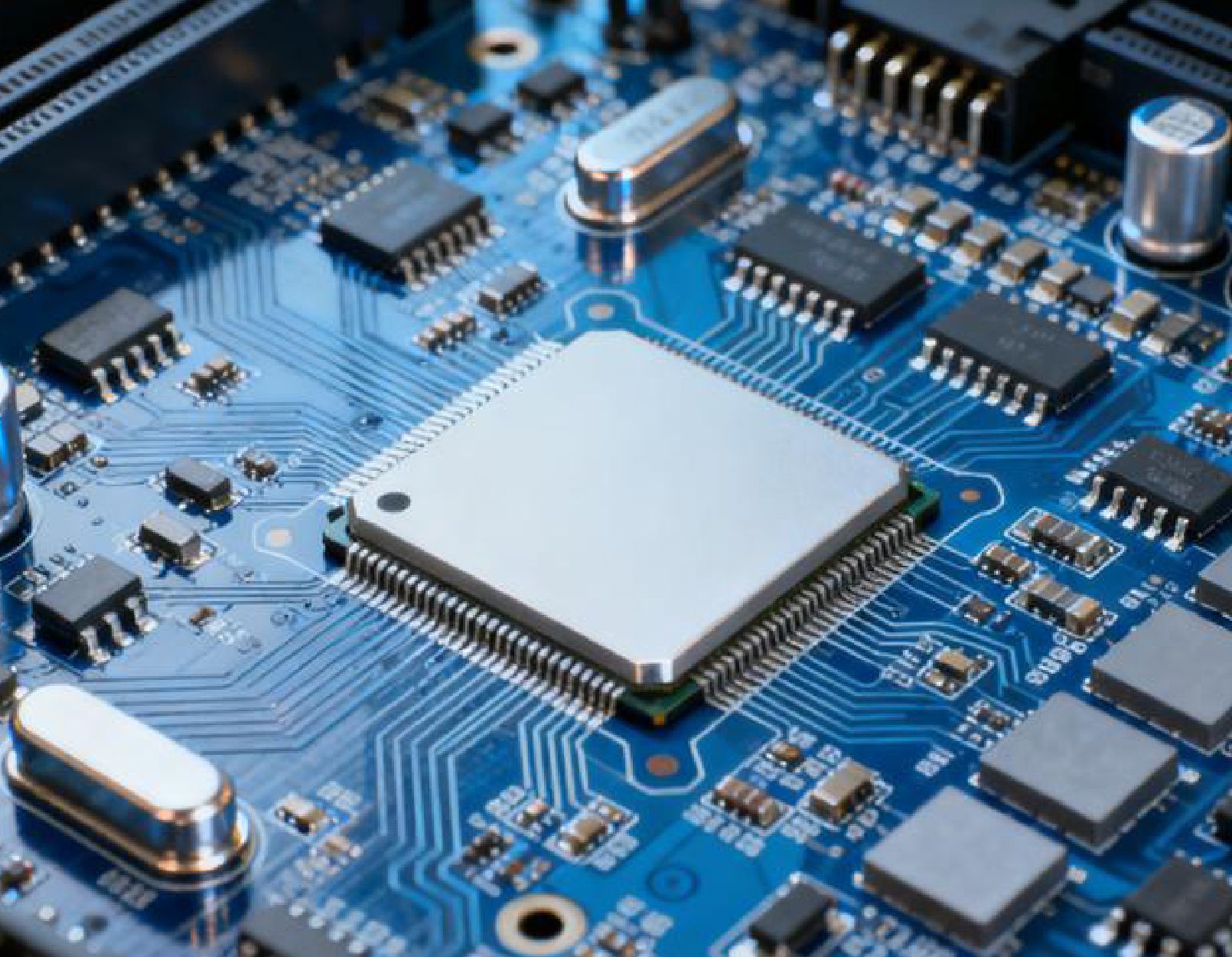
PCBAs are the core and weakest link in electronic devices. They are finished circuit boards with various components soldered on them and have wide applications. Modern PCBAs have small line spacing and numerous solder joints, using a large amount of easily migrating metals. When exposed to harsh environments, water molecule films can trigger ion migration and corrosion. Traditional protection methods only focus on sealing the outer casing, neglecting the protection of the PCBA itself, leading to a significant reduction in device lifespan.
Traditional protection methods have significant shortcomings under environmental stress attacks: insulation resistance decreases when relative humidity > 85%, and the outer casing alone cannot prevent internal condensation; chloride ions in salt spray catalyze metal dissolution, and ordinary conformal coatings have a pinhole rate of up to 5%; industrial sulfur-containing gases cause silver solder joints to form sulfur whiskers, lacking targeted protection; temperature differences combined with high humidity cause the substrate to absorb moisture and expand, and the coating's insufficient flexibility makes it prone to cracking, causing secondary damage.
2. Fault 1: Electrochemical Migration (ECM) Short Circuit – “Caterpillar” Dendrite Bridging Positive and Negative Electrodes
After moisture and flux residue form an electrolyte film, silver/copper ions grow dendrites under a DC electric field, which can short-circuit the circuit within hours. When the relative humidity exceeds 85% and halide ions are present, an electrolyte film forms between adjacent lines. Under bias voltage, metal ions migrate and deposit to form dendrites. The growth rate under Cl catalysis can reach 0.1 mm/h. Dendrites bridging the pads will form a short circuit, causing equipment failure.
Case Study: The return rate of an outdoor camera in Shenzhen surged after the rainy season. Disassembly revealed dendrites between the BGA chip pads. Ordinary conformal coating failed to prevent ECM. After replacing it with Fluere® 1701ss superhydrophobic nano-coating, it operated continuously for 14 months without failure. Fluere® 1700 enhanced conformal coating maintained an SIR > 10¹⁰ Ω after 480 hours of neutral salt spray testing, with no dendrite formation.
3. Fault Two: Metal Corrosion and Open Circuit – From Solder Joint Powdering to Pin Rusting
Continuous corrosion by chloride ions and sulfides transforms the solder joint metal into porous corrosion products, increasing contact resistance and ultimately leading to interruption or open circuit. Corrosion concentrates in crevices, solder joint voids, and dissimilar metal junctions: chloride ions attack the tin solder, forming a self-catalytic corrosion cycle; hydrogen sulfide attacks the silver plating, generating a non-conductive film, resulting in increased contact resistance. Corroded solder joints/pins are prone to brittle fracture, making the fault highly concealed and easily triggering dynamic "soft faults."
With the rapid development of data centers, AI servers, energy storage systems, and high-performance computing equipment, liquid cooling technology has gradually become a focus of industry attention. Among the many liquid cooling media, silicone oil and fluorinated electronic fluid are currently the two most widely used coolants. So, what are the differences between them? Which one is more suitable for your application?
PCBAs (Printed Circuit Board Assembly Boards) are the core components of electronic devices exposed to high humidity, salt spray, and sulfurization environments. Common fatal failures in these devices stem from insufficient protection. The fundamental solution is to employ next-generation nano-coating technology for overall encapsulation, blocking moisture and ion migration and improving insulation resistance.
1. What is a PCBA?
PCBAs are the core and weakest link in electronic devices. They are finished circuit boards with various components soldered on them and have wide applications. Modern PCBAs have small line spacing and numerous solder joints, using a large amount of easily migrating metals. When exposed to harsh environments, water molecule films can trigger ion migration and corrosion. Traditional protection methods only focus on sealing the outer casing, neglecting the protection of the PCBA itself, leading to a significant reduction in device lifespan.
Traditional protection methods have significant shortcomings under environmental stress attacks: insulation resistance decreases when relative humidity > 85%, and the outer casing alone cannot prevent internal condensation; chloride ions in salt spray catalyze metal dissolution, and ordinary conformal coatings have a pinhole rate of up to 5%; industrial sulfur-containing gases cause silver solder joints to form sulfur whiskers, lacking targeted protection; temperature differences combined with high humidity cause the substrate to absorb moisture and expand, and the coating's insufficient flexibility makes it prone to cracking, causing secondary damage.
2. Fault 1: Electrochemical Migration (ECM) Short Circuit – “Caterpillar” Dendrite Bridging Positive and Negative Electrodes
After moisture and flux residue form an electrolyte film, silver/copper ions grow dendrites under a DC electric field, which can short-circuit the circuit within hours. When the relative humidity exceeds 85% and halide ions are present, an electrolyte film forms between adjacent lines. Under bias voltage, metal ions migrate and deposit to form dendrites. The growth rate under Cl catalysis can reach 0.1 mm/h. Dendrites bridging the pads will form a short circuit, causing equipment failure.
Case Study: The return rate of an outdoor camera in Shenzhen surged after the rainy season. Disassembly revealed dendrites between the BGA chip pads. Ordinary conformal coating failed to prevent ECM. After replacing it with Fluere® 1701ss superhydrophobic nano-coating, it operated continuously for 14 months without failure. Fluere® 1700 enhanced conformal coating maintained an SIR > 10¹⁰ Ω after 480 hours of neutral salt spray testing, with no dendrite formation.
3. Fault Two: Metal Corrosion and Open Circuit – From Solder Joint Powdering to Pin Rusting
Continuous corrosion by chloride ions and sulfides transforms the solder joint metal into porous corrosion products, increasing contact resistance and ultimately leading to interruption or open circuit. Corrosion concentrates in crevices, solder joint voids, and dissimilar metal junctions: chloride ions attack the tin solder, forming a self-catalytic corrosion cycle; hydrogen sulfide attacks the silver plating, generating a non-conductive film, resulting in increased contact resistance. Corroded solder joints/pins are prone to brittle fracture, making the fault highly concealed and easily triggering dynamic "soft faults."