
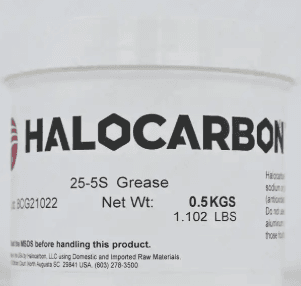
Halocarbon is a US manufacturer specializing in fluorochemicals, with its product line based on polychlorotrifluoroethylene (PCTFE). These products, thanks to their core properties such as chemical inertness, non-flammability, and high thermal stability, are used as high-performance lubricants, sealants, and thermal management materials in high-end fields such as semiconductors, aerospace, and laboratories. 🧪 Two Core Technology Platforms Halocarbon's products are primarily based on two fluoropolymer technologies: PCTFE (Polychlorotrifluoroethylene) Technology: This is Halocarbon's core technology. PCTFE-based products are renowned for their extremely high chemical inertness, non-flammability, and excellent compatibility with strong oxidizers such as oxygen, making them ideal for certain demanding operating conditions. PFPE (Perfluoropolyether) Technology: PFPE-based products are more versatile high-performance lubricants with a wider operating temperature range, suitable for a variety of industrial applications, including rolling bearings.
Halocarbon is a US manufacturer specializing in fluorochemical products, with its product line based on polychlorotrifluoroethylene (PCTFE). These products, thanks to their core properties such as chemical inertness, non-flammability, and high thermal stability, are used as high-performance lubricants, sealants, and thermal management materials in high-end fields such as semiconductors, aerospace, and laboratories.
🧪 Two Core Technology Platforms Halocarbon's products are primarily based on two fluoropolymer technologies: PCTFE (Polychlorotrifluoroethylene) Technology: This is Halocarbon's core technology. PCTFE-based products are renowned for their extremely high chemical inertness, non-flammability, and excellent compatibility with strong oxidizers such as oxygen, making them ideal for certain harsh operating conditions. PFPE (Perfluoropolyether) Technology: PFPE-based products are more versatile high-performance lubricants with a wider operating temperature range, suitable for various industrial applications, including rolling bearings.
📊 Main Product Series, Models, and Specifications Halocarbon's product line is very extensive, mainly divided into two categories: lubricants/fluids and greases. Lubricants/Fluids
| Product Model | Technology Platform | Molecular Weight | Viscosity at 40°C (cSt) | Key Characteristics and Typical Applications |
|---|---|---|---|---|
| Halocarbon 0.8 Oil | PCTFE | Low | < 1.8 | Extremely low viscosity, for precision instrument calibration. |
| Halocarbon 1.8 Oil | PCTFE | Low | ~1.8 | Low viscosity inert oil, for laboratory and oxygen-enhanced lubrication. |
| InfinX MRO 4.2 | PCTFE | Low | ~4.2 | Heat-conducting fluid, an economical alternative to Galden HT200; also used as instrument filling fluid and mechanical seal oil. |
| InfinX MRO 6.3 | PCTFE | Low | ~6.3 | Heat-conducting fluid, an economical alternative to Galden HT230. |
| InfinX MRO 27 | PCTFE | middle | ~27 | General purpose inert lubricant, suitable for bearings, compressors, gearboxes, etc. Also used in research such as zebrafish embryo microinjection. |
| InfinX MRO 56 | PCTFE | middle | ~56 | Medium viscosity inert oil, with a wide range of applications. |
| Halocarbon 200 Oil | PCTFE | high | 200 | High viscosity inert oil, for vacuum pumps and applications requiring high viscosity lubrication. |
| Halocarbon 400 Oil | PCTFE | high | ~400 | Ultra-high viscosity oil, for harsh vacuum environments. |
| Halocarbon 700 Oil | PCTFE | high | ~700 | Ultra-high viscosity oil, for applications requiring extremely high lubrication. |
| Halocarbon 1000N Oil | PCTFE | high | 1000 | Extremely high viscosity oil, providing the strongest oil film strength. |
| InfinX MRO KF105/106/107 | PFPE | - | - | High performance PFPE lubricant, suitable for extreme conditions and high-temperature environments. |
| InfinX MRO 95 | PCTFE | high | - | High molecular weight PCTFE polymer, inert oil. |
| InfinX HaloVac® 140/250 | - | - | - | Vacuum pump oil specifically designed for mechanical vacuum pumps. |
Note: Viscosity is a key indicator for selecting lubricating oil; the higher the number, the thicker the oil.
**Greases**
| Product Model | Technology Platform | Base Oil Viscosity | Thickener | NLGI Grade | Key Characteristics and Typical Applications |
|---|---|---|---|---|---|
| Halocarbon 28 / 28LT | PCTFE | Medium/Low | silicon dioxide | #2 | Medium viscosity PCTFE grease, suitable for vacuum and general lubrication. |
| Halocarbon 25-20M | PCTFE | high | High molecular weight PTFE | - | Harder texture, suitable for applications requiring high viscosity and high load capacity. |
| InfinX MRO 2505 | PCTFE | middle | silicon dioxide | - | Thicker texture, suitable for applications requiring strong sealing. |
| InfinX MRO 2510 | PCTFE | high | High molecular weight PTFE | - | Softer texture, suitable for applications requiring low resistance. |
| InfinX MRO KF205/206/207 | PFPE | - | PTFE | #2 | High-performance PFPE grease, for bearings, O-rings, etc., under extreme conditions. |
| InfinX MRO KF2R5/6/7 | PFPE | - | - | - | Grease for extreme high-temperature conditions. |
| InfinX MRO KF407 | PFPE | - | silicon dioxide | #2 | Non-melting grease, suitable for ultra-high temperatures (up to 399°C). |
| InfinX HaloVac® Ultra | PFPE | high | PTFE | #2 | Premium grease for extreme high-temperature (up to 300°C) vacuum environments. |
| InfinX HaloVac® 600/601 | PFPE | 157 cSt | PTFE | #2 | For cleanrooms, aerospace, and corrosive environments. |
Note: NLGI rating is an indicator of grease consistency; a higher number indicates a harder grease.
💡 Core Features and Typical Applications Core Features: Chemical Inertness and Non-flammability: Safe and reliable even in strong oxidizing environments such as oxygen. High Thermal Stability: Wide operating temperature range; some products can operate at extreme temperatures from -80°C to +399°C. Low Volatility: Extremely low vapor pressure, ideal for vacuum applications. Excellent Dielectric Properties: High dielectric strength and good thermal conductivity, suitable for electronics and thermal management. Material Compatibility: Compatible with most plastics and elastomers without causing them to swell or degrade.
Typical Applications: Semiconductor and Electronics Manufacturing: As a photoresist monomer, lithium-ion battery electrolyte additive, and electronic-grade solvent. Vacuum Technology: As a vacuum pump oil and vacuum grease. Thermal Management: As a heat transfer fluid for vapor phase welding and immersion cooling. Research and Laboratories: Used for instrument calibration, sample preparation, and as an injection oil for zebrafish embryos. Aerospace & Industry: Used for lubrication of critical components such as bearings, O-rings, and valves, especially in oxygen systems.
💰 Price Reference: Halocarbon product prices vary significantly depending on the model, specification, quantity purchased, and supplier. The following are reference prices found online: Halocarbon 0.8 Oil (1L): Sold as a calibration fluid, approximately $1,173.62. Halocarbon 200 Oil: Laboratory size, approximately $238.20. Halocarbon 27 Oil (100mL): Research size, approximately $249.00. Halocarbon 7.5 Kg Lubricant: Industrial packaging, reference price approximately ₹44,000 (approximately RMB 3,800). Halocarbon Oil (50g): Laboratory packaging, approximately €313.05. Note: For the most accurate pricing, please contact Halocarbon or its authorized distributors directly.
📝 Selection Guide **Define Application Scenarios:** Is it for vacuum, high-temperature, oxygen environments, or heat conduction? **Select Technology Platform:** Choose between PCTFE (for specific harsh conditions) and PFPE (general-purpose high-performance) based on the application environment and performance requirements. **Determine Product Form:** Is lubricant/fluid or grease required? **Identify Key Parameters:** Select the appropriate viscosity (lubricant/fluid) or NLGI grade (grease) based on equipment requirements. **Confirm Material Compatibility:** Ensure the selected product is compatible with other materials in the system (such as seals).
Halocarbon is a US manufacturer specializing in fluorochemicals, with its product line based on polychlorotrifluoroethylene (PCTFE). These products, thanks to their core properties such as chemical inertness, non-flammability, and high thermal stability, are used as high-performance lubricants, sealants, and thermal management materials in high-end fields such as semiconductors, aerospace, and laboratories. 🧪 Two Core Technology Platforms Halocarbon's products are primarily based on two fluoropolymer technologies: PCTFE (Polychlorotrifluoroethylene) Technology: This is Halocarbon's core technology. PCTFE-based products are renowned for their extremely high chemical inertness, non-flammability, and excellent compatibility with strong oxidizers such as oxygen, making them ideal for certain demanding operating conditions. PFPE (Perfluoropolyether) Technology: PFPE-based products are more versatile high-performance lubricants with a wider operating temperature range, suitable for a variety of industrial applications, including rolling bearings.
Halocarbon is a US manufacturer specializing in fluorochemical products, with its product line based on polychlorotrifluoroethylene (PCTFE). These products, thanks to their core properties such as chemical inertness, non-flammability, and high thermal stability, are used as high-performance lubricants, sealants, and thermal management materials in high-end fields such as semiconductors, aerospace, and laboratories.
🧪 Two Core Technology Platforms Halocarbon's products are primarily based on two fluoropolymer technologies: PCTFE (Polychlorotrifluoroethylene) Technology: This is Halocarbon's core technology. PCTFE-based products are renowned for their extremely high chemical inertness, non-flammability, and excellent compatibility with strong oxidizers such as oxygen, making them ideal for certain harsh operating conditions. PFPE (Perfluoropolyether) Technology: PFPE-based products are more versatile high-performance lubricants with a wider operating temperature range, suitable for various industrial applications, including rolling bearings.
📊 Main Product Series, Models, and Specifications Halocarbon's product line is very extensive, mainly divided into two categories: lubricants/fluids and greases. Lubricants/Fluids
| Product Model | Technology Platform | Molecular Weight | Viscosity at 40°C (cSt) | Key Characteristics and Typical Applications |
|---|---|---|---|---|
| Halocarbon 0.8 Oil | PCTFE | Low | < 1.8 | Extremely low viscosity, for precision instrument calibration. |
| Halocarbon 1.8 Oil | PCTFE | Low | ~1.8 | Low viscosity inert oil, for laboratory and oxygen-enhanced lubrication. |
| InfinX MRO 4.2 | PCTFE | Low | ~4.2 | Heat-conducting fluid, an economical alternative to Galden HT200; also used as instrument filling fluid and mechanical seal oil. |
| InfinX MRO 6.3 | PCTFE | Low | ~6.3 | Heat-conducting fluid, an economical alternative to Galden HT230. |
| InfinX MRO 27 | PCTFE | middle | ~27 | General purpose inert lubricant, suitable for bearings, compressors, gearboxes, etc. Also used in research such as zebrafish embryo microinjection. |
| InfinX MRO 56 | PCTFE | middle | ~56 | Medium viscosity inert oil, with a wide range of applications. |
| Halocarbon 200 Oil | PCTFE | high | 200 | High viscosity inert oil, for vacuum pumps and applications requiring high viscosity lubrication. |
| Halocarbon 400 Oil | PCTFE | high | ~400 | Ultra-high viscosity oil, for harsh vacuum environments. |
| Halocarbon 700 Oil | PCTFE | high | ~700 | Ultra-high viscosity oil, for applications requiring extremely high lubrication. |
| Halocarbon 1000N Oil | PCTFE | high | 1000 | Extremely high viscosity oil, providing the strongest oil film strength. |
| InfinX MRO KF105/106/107 | PFPE | - | - | High performance PFPE lubricant, suitable for extreme conditions and high-temperature environments. |
| InfinX MRO 95 | PCTFE | high | - | High molecular weight PCTFE polymer, inert oil. |
| InfinX HaloVac® 140/250 | - | - | - | Vacuum pump oil specifically designed for mechanical vacuum pumps. |
Note: Viscosity is a key indicator for selecting lubricating oil; the higher the number, the thicker the oil.
**Greases**
| Product Model | Technology Platform | Base Oil Viscosity | Thickener | NLGI Grade | Key Characteristics and Typical Applications |
|---|---|---|---|---|---|
| Halocarbon 28 / 28LT | PCTFE | Medium/Low | silicon dioxide | #2 | Medium viscosity PCTFE grease, suitable for vacuum and general lubrication. |
| Halocarbon 25-20M | PCTFE | high | High molecular weight PTFE | - | Harder texture, suitable for applications requiring high viscosity and high load capacity. |
| InfinX MRO 2505 | PCTFE | middle | silicon dioxide | - | Thicker texture, suitable for applications requiring strong sealing. |
| InfinX MRO 2510 | PCTFE | high | High molecular weight PTFE | - | Softer texture, suitable for applications requiring low resistance. |
| InfinX MRO KF205/206/207 | PFPE | - | PTFE | #2 | High-performance PFPE grease, for bearings, O-rings, etc., under extreme conditions. |
| InfinX MRO KF2R5/6/7 | PFPE | - | - | - | Grease for extreme high-temperature conditions. |
| InfinX MRO KF407 | PFPE | - | silicon dioxide | #2 | Non-melting grease, suitable for ultra-high temperatures (up to 399°C). |
| InfinX HaloVac® Ultra | PFPE | high | PTFE | #2 | Premium grease for extreme high-temperature (up to 300°C) vacuum environments. |
| InfinX HaloVac® 600/601 | PFPE | 157 cSt | PTFE | #2 | For cleanrooms, aerospace, and corrosive environments. |
Note: NLGI rating is an indicator of grease consistency; a higher number indicates a harder grease.
💡 Core Features and Typical Applications Core Features: Chemical Inertness and Non-flammability: Safe and reliable even in strong oxidizing environments such as oxygen. High Thermal Stability: Wide operating temperature range; some products can operate at extreme temperatures from -80°C to +399°C. Low Volatility: Extremely low vapor pressure, ideal for vacuum applications. Excellent Dielectric Properties: High dielectric strength and good thermal conductivity, suitable for electronics and thermal management. Material Compatibility: Compatible with most plastics and elastomers without causing them to swell or degrade.
Typical Applications: Semiconductor and Electronics Manufacturing: As a photoresist monomer, lithium-ion battery electrolyte additive, and electronic-grade solvent. Vacuum Technology: As a vacuum pump oil and vacuum grease. Thermal Management: As a heat transfer fluid for vapor phase welding and immersion cooling. Research and Laboratories: Used for instrument calibration, sample preparation, and as an injection oil for zebrafish embryos. Aerospace & Industry: Used for lubrication of critical components such as bearings, O-rings, and valves, especially in oxygen systems.
💰 Price Reference: Halocarbon product prices vary significantly depending on the model, specification, quantity purchased, and supplier. The following are reference prices found online: Halocarbon 0.8 Oil (1L): Sold as a calibration fluid, approximately $1,173.62. Halocarbon 200 Oil: Laboratory size, approximately $238.20. Halocarbon 27 Oil (100mL): Research size, approximately $249.00. Halocarbon 7.5 Kg Lubricant: Industrial packaging, reference price approximately ₹44,000 (approximately RMB 3,800). Halocarbon Oil (50g): Laboratory packaging, approximately €313.05. Note: For the most accurate pricing, please contact Halocarbon or its authorized distributors directly.
📝 Selection Guide **Define Application Scenarios:** Is it for vacuum, high-temperature, oxygen environments, or heat conduction? **Select Technology Platform:** Choose between PCTFE (for specific harsh conditions) and PFPE (general-purpose high-performance) based on the application environment and performance requirements. **Determine Product Form:** Is lubricant/fluid or grease required? **Identify Key Parameters:** Select the appropriate viscosity (lubricant/fluid) or NLGI grade (grease) based on equipment requirements. **Confirm Material Compatibility:** Ensure the selected product is compatible with other materials in the system (such as seals).