
AI glasses represent the most cutting-edge and imaginative category of smart wearable devices. By packing cameras, microphones, speakers, chips, and batteries into the temples and nose pads, they transform a standard pair of glasses into a smart device worn on the face. However, AI glasses are also among the most "delicate" of wearables. Because they sit right against the face, exposure to sweat, rain, or splashes while washing one's face can threaten the precision electronics inside. Yet, the available space is incredibly limited—fitting a battery and motherboard into the temples leaves virtually no room to spare.
AI glasses represent the most cutting-edge and imaginative category of smart wearable devices. By packing cameras, microphones, speakers, chips, and batteries into the temples and nose pads, they transform a standard pair of glasses into a smart device worn on the face.
However, AI glasses are also among the most "delicate" types of wearables. Because they sit right against the face, exposure to sweat, rain, or splashes while washing one's face can threaten the precision electronics inside. Furthermore, the available space is incredibly limited—fitting batteries and motherboards into the temples leaves virtually no room to spare.
Everyday water resistance for AI glasses relies not on bulky seals, but on a simple nano-coating. This article explores the topic of everyday water resistance for AI glasses and smart wearables.
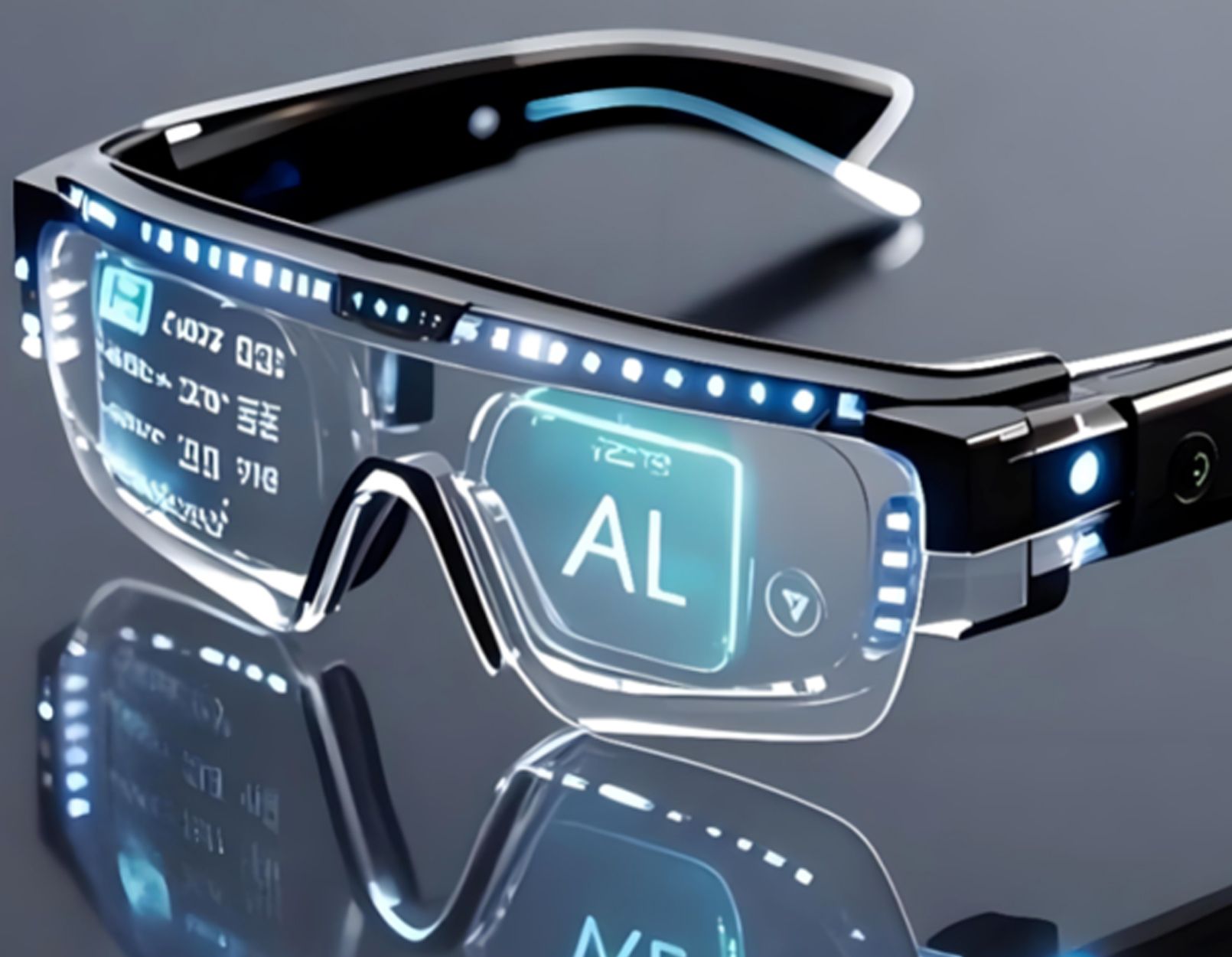
Figure 1: Everyday water resistance solutions for AI glasses and smart wearables
I. Why AI Glasses Are Vulnerable to Water
The vulnerability of AI glasses to water is an inherent characteristic dictated by their design.
First is their placement. Worn on the face, the glasses sit in close contact with the forehead, temples, and bridge of the nose—areas where sweating is most intense. During exercise or in hot weather, sweat runs down the cheeks and comes into direct contact with the temples and nose pads, posing a threat to the internal electronic components.
Second is the spatial constraint. The electronic components of AI glasses are packed into the cramped confines of the temples and nose pads. This space is so tight that there is virtually no room for redundancy or bulky protective measures; traditional conformal coatings would be too thick to fit, and potting compounds are entirely out of the question.
Third is the presence of multiple openings. AI glasses feature cameras, microphones, speakers, and charging contacts. These openings and contact points serve as entryways for water and sweat, making them the most challenging areas to protect.
These three factors dictate that waterproofing for AI glasses must be achieved using the simplest, thinnest, and least intrusive methods possible. This is precisely where nano-scale moisture-proofing agents come into play.
II. "Simplicity and Ease of Use": The Core Requirement for Wearable Waterproofing
"Simplicity and ease of use" is the primary requirement for waterproofing solutions in wearable devices.
The process must be simple. Wearable device production lines operate at high speeds and large volumes; waterproofing processes must integrate seamlessly without slowing down production. Forming a film via a 3-second dip and curing at room temperature represents the pinnacle of simplicity—requiring no baking, complex equipment, or lengthy wait times.
Usage must be unobtrusive. Wearable devices are worn close to the body, making users highly sensitive to weight, bulk, and comfort. The ultra-thin nature of the nano-coating (0.8 to 13 microns) ensures users are completely unaware of the protective layer, maintaining an uncompromised wearing experience.
Performance must be reliable. Everyday waterproofing needs to handle frequent scenarios such as sweating, rain exposure, splashing, and hand-washing. The nano-coating consistently passes IPX7 and IPX8 tests and withstands 1,000 hours of salt spray exposure; its reliability for daily waterproofing is backed by solid data.
"Simplicity and ease of use" may sound straightforward, yet few protective solutions truly achieve it. Nano-based moisture-proofing agents provide the answer that takes this concept to the ultimate level.
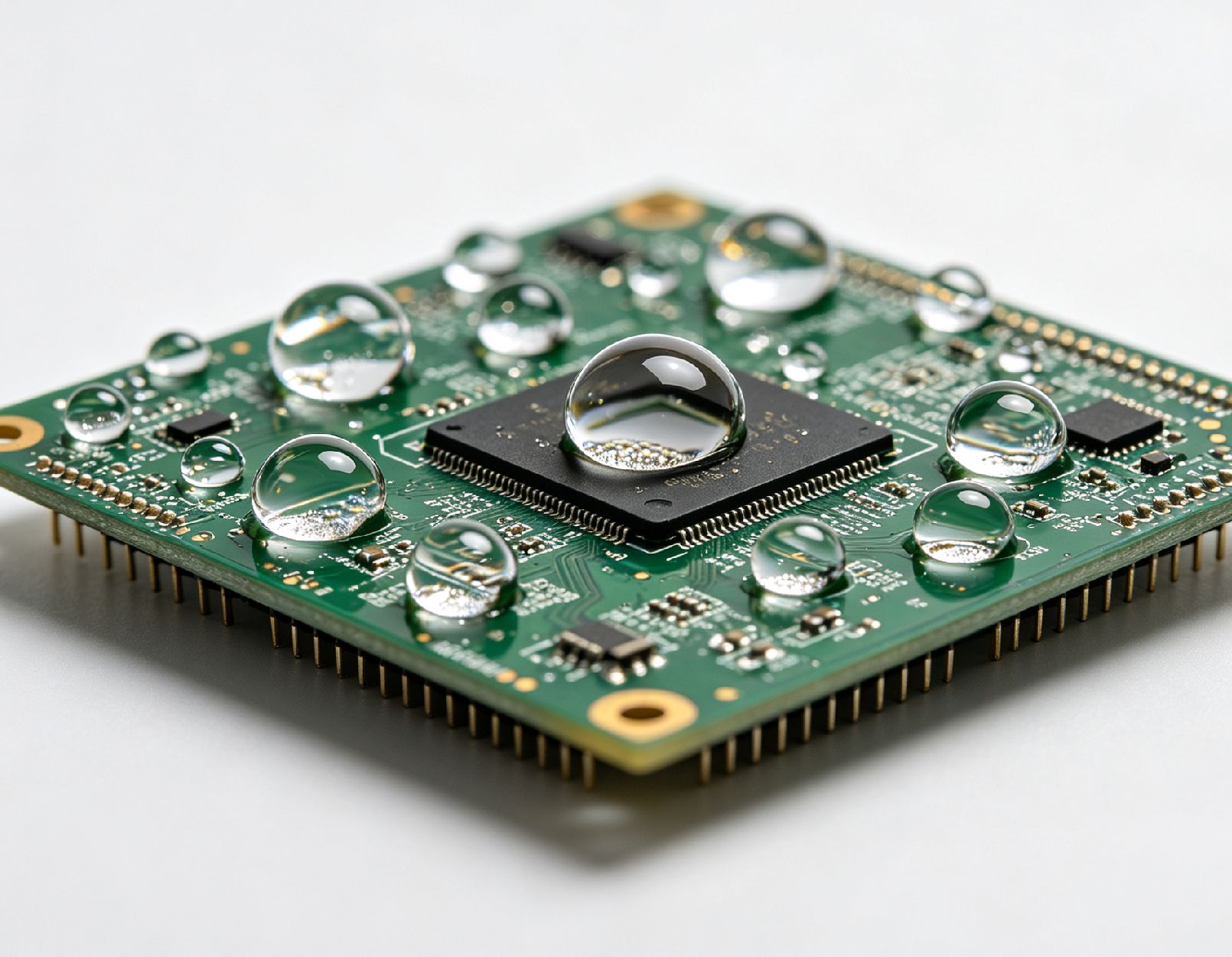
Figure 2: Hydrophobic and oleophobic effects of the nano-coating on AI eyewear electronic components.
III. Key Areas for AI Glasses Waterproofing
Waterproofing AI glasses requires focusing protection on several critical areas.
The Mainboard. Located within the temple arm, the mainboard is the core of the AI glasses and requires comprehensive protection. Immersion or spray coating processes are used to render the mainboard resistant to water and sweat.
Cameras and Sensors. The cameras and sensors in AI glasses require both anti-fog and waterproof capabilities. Specialized coating formulations are used for optical components to ensure water and fog resistance without compromising image quality.
The Battery. The battery housed in the temple arm needs protection against water and moisture. Coatings protect the battery's circuit board and contact points, preventing corrosion and short circuits caused by sweat or humidity.
Charging Contacts. Charging contacts must remain conductive and cannot be covered by the coating. Precision masking or selective spraying techniques are employed to keep the contacts exposed while protecting the surrounding areas.
Protecting these key areas forms a complete waterproofing solution for everyday use of AI glasses. Each area requires specific attention; none can be overlooked.
IV. AI Glasses and the Future of Waterproof Wearables
The waterproofing requirements for AI glasses represent the future direction of waterproofing for smart wearables.
As AI hardware evolves, an increasing number of devices—such as AI glasses, smart rings, smart earbuds, and smart clothing—will be worn directly on the body. These devices share common characteristics: close contact with the skin, exposure to sweat, compact internal space, and a need for unobtrusive comfort. Consequently, their requirements for water and sweat resistance are more stringent than those of traditional devices, relying heavily on ultra-thin, nanoscale protection.
Nanocoatings can be considered the "invisible infrastructure" enabling the widespread adoption of wearable devices. Without them, wearables could not truly offer "all-weather, all-scenario" utility; with them, they can effortlessly withstand sweat, rain, and the various forms of moisture encountered in daily life.
Paiqi Nano aims to lay a solid foundation for this "future of wearables" through its mature nanocoating technology.
V. Three Questions About AI Glasses Waterproofing
Question 1: Does waterproofing AI glasses affect photo and audio recording? No, it does not. The nano-coating is extremely thin; it does not interfere with camera imaging, nor does it block microphones or impair sound capture. You can enjoy both waterproofing and full functionality.
Question 2: Can AI glasses be worn while swimming? Standard waterproofing ratings (IPX7, IPX8) are suitable for sweat, rain, and splashes, but prolonged immersion or swimming while wearing them is not recommended. Diving-grade products require a more specialized design.
Question 3: Is the waterproofing solution for AI glasses complex? Not at all. The nano-coating process—whether via dipping or spraying—forms a film in just three seconds and cures at room temperature. It is simple to use and can be seamlessly integrated into existing eyewear production lines.
VI. The Fluorine-Free Path: A Compliant Future for Wearable Waterproofing
As AI glasses target the global market, environmental compliance is a strict requirement. The EU's trend toward restricting PFAS makes the fluorine-free approach a crucial direction for waterproofing wearable devices. Paiqi Nano’s fluorine-free, superhydrophobic electronic protection nano-coatings—specifically the G-7 and Z-2 series—offer self-healing capabilities, withstand 168 to 240 hours of salt spray testing, and perform stably across high and low temperatures, providing a compliant technical pathway for AI glasses and smart wearables.
AI glasses represent the future worn on one's face. Their daily waterproofing relies not on complex seals, but on a simple nano-coating. This coating allows the glasses to easily withstand sweat, rain, and everyday moisture, truly integrating technology into daily life. This is the simplest yet most reliable gift that electronic protection nano-coatings offer to the era of smart wearables.
Looking at specific scenarios, behind every protected circuit board lies a real pain point, a real failure, and a real financial loss. The value of electronic protection nano-coatings lies in preventing these issues—pain points, failures, and losses—before they occur. When an invisible coating safeguards these circuit boards, it is ultimately protecting the people behind the products: the engineers delivering the work, the brand's reputation, and the users' trust. The trajectory of technological evolution always points toward being "thinner, more reliable, and more sustainable." Protective nano-coatings for electronics align perfectly with this direction. They redefine the scale of protection through micron-level thickness and redefine the logic of protection through chemical bonding and low surface energy; furthermore, by pursuing both fluorinated and fluorine-free solutions, they ensure flexibility for the future. Those who grasp this trend can often secure a strategic advantage ahead of the industry's next major shake-up.
The everyday water resistance provided to AI glasses and smart wearables offers a benefit that is easily overlooked: it extends the device's "effective lifespan." Because wearables are worn close to the body, they are constantly exposed to sweat and moisture, which often shortens their operational life. Nano-coatings mitigate this erosion at the source, allowing devices to last longer. For users, this translates into tangible savings—avoiding the need to replace a pair of glasses or buy a new watch; for manufacturers, it yields long-term rewards such as a better reputation, higher repeat purchase rates, and a more reliable brand image. While everyday water resistance may seem like a minor detail, it is actually the starting point for a "long-termist" approach to wearable devices.
The wave of AI hardware is propelling wearables into a brand-new era. From watches and wristbands to earbuds, glasses, rings, and even clothing, an increasing number of smart devices are being worn close to the body. These devices share a common requirement: to be worn without becoming a burden—meaning they must be small, lightweight, unobtrusive, and resistant to water and sweat. Nano-coatings serve as the foundational technology that meets these shared needs. It is foreseeable that as AI hardware becomes ubiquitous, the demand for protective nano-coatings will continue to rise, and their role in the wearable era will become increasingly critical. Zhongfu Technology has already prepared the necessary technology and production capacity in this field—and therein lies its true value. Choosing this technology means choosing reliability and peace of mind. Technological progress will ultimately benefit every user. By doing the right thing well, time will provide the answer. This confidence deserves to be recognized by more people. Visible peace of mind stems from invisible protection. Great products speak for themselves through their performance. Reliability is the best form of word-of-mouth. Users can sense the care put into every single detail.
AI glasses represent the most cutting-edge and imaginative category of smart wearable devices. By packing cameras, microphones, speakers, chips, and batteries into the temples and nose pads, they transform a standard pair of glasses into a smart device worn on the face. However, AI glasses are also among the most "delicate" of wearables. Because they sit right against the face, exposure to sweat, rain, or splashes while washing one's face can threaten the precision electronics inside. Yet, the available space is incredibly limited—fitting a battery and motherboard into the temples leaves virtually no room to spare.
AI glasses represent the most cutting-edge and imaginative category of smart wearable devices. By packing cameras, microphones, speakers, chips, and batteries into the temples and nose pads, they transform a standard pair of glasses into a smart device worn on the face.
However, AI glasses are also among the most "delicate" types of wearables. Because they sit right against the face, exposure to sweat, rain, or splashes while washing one's face can threaten the precision electronics inside. Furthermore, the available space is incredibly limited—fitting batteries and motherboards into the temples leaves virtually no room to spare.
Everyday water resistance for AI glasses relies not on bulky seals, but on a simple nano-coating. This article explores the topic of everyday water resistance for AI glasses and smart wearables.
Figure 1: Everyday water resistance solutions for AI glasses and smart wearables
I. Why AI Glasses Are Vulnerable to Water
The vulnerability of AI glasses to water is an inherent characteristic dictated by their design.
First is their placement. Worn on the face, the glasses sit in close contact with the forehead, temples, and bridge of the nose—areas where sweating is most intense. During exercise or in hot weather, sweat runs down the cheeks and comes into direct contact with the temples and nose pads, posing a threat to the internal electronic components.
Second is the spatial constraint. The electronic components of AI glasses are packed into the cramped confines of the temples and nose pads. This space is so tight that there is virtually no room for redundancy or bulky protective measures; traditional conformal coatings would be too thick to fit, and potting compounds are entirely out of the question.
Third is the presence of multiple openings. AI glasses feature cameras, microphones, speakers, and charging contacts. These openings and contact points serve as entryways for water and sweat, making them the most challenging areas to protect.
These three factors dictate that waterproofing for AI glasses must be achieved using the simplest, thinnest, and least intrusive methods possible. This is precisely where nano-scale moisture-proofing agents come into play.
II. "Simplicity and Ease of Use": The Core Requirement for Wearable Waterproofing
"Simplicity and ease of use" is the primary requirement for waterproofing solutions in wearable devices.
The process must be simple. Wearable device production lines operate at high speeds and large volumes; waterproofing processes must integrate seamlessly without slowing down production. Forming a film via a 3-second dip and curing at room temperature represents the pinnacle of simplicity—requiring no baking, complex equipment, or lengthy wait times.
Usage must be unobtrusive. Wearable devices are worn close to the body, making users highly sensitive to weight, bulk, and comfort. The ultra-thin nature of the nano-coating (0.8 to 13 microns) ensures users are completely unaware of the protective layer, maintaining an uncompromised wearing experience.
Performance must be reliable. Everyday waterproofing needs to handle frequent scenarios such as sweating, rain exposure, splashing, and hand-washing. The nano-coating consistently passes IPX7 and IPX8 tests and withstands 1,000 hours of salt spray exposure; its reliability for daily waterproofing is backed by solid data.
"Simplicity and ease of use" may sound straightforward, yet few protective solutions truly achieve it. Nano-based moisture-proofing agents provide the answer that takes this concept to the ultimate level.
Figure 2: Hydrophobic and oleophobic effects of the nano-coating on AI eyewear electronic components.
III. Key Areas for AI Glasses Waterproofing
Waterproofing AI glasses requires focusing protection on several critical areas.
The Mainboard. Located within the temple arm, the mainboard is the core of the AI glasses and requires comprehensive protection. Immersion or spray coating processes are used to render the mainboard resistant to water and sweat.
Cameras and Sensors. The cameras and sensors in AI glasses require both anti-fog and waterproof capabilities. Specialized coating formulations are used for optical components to ensure water and fog resistance without compromising image quality.
The Battery. The battery housed in the temple arm needs protection against water and moisture. Coatings protect the battery's circuit board and contact points, preventing corrosion and short circuits caused by sweat or humidity.
Charging Contacts. Charging contacts must remain conductive and cannot be covered by the coating. Precision masking or selective spraying techniques are employed to keep the contacts exposed while protecting the surrounding areas.
Protecting these key areas forms a complete waterproofing solution for everyday use of AI glasses. Each area requires specific attention; none can be overlooked.
IV. AI Glasses and the Future of Waterproof Wearables
The waterproofing requirements for AI glasses represent the future direction of waterproofing for smart wearables.
As AI hardware evolves, an increasing number of devices—such as AI glasses, smart rings, smart earbuds, and smart clothing—will be worn directly on the body. These devices share common characteristics: close contact with the skin, exposure to sweat, compact internal space, and a need for unobtrusive comfort. Consequently, their requirements for water and sweat resistance are more stringent than those of traditional devices, relying heavily on ultra-thin, nanoscale protection.
Nanocoatings can be considered the "invisible infrastructure" enabling the widespread adoption of wearable devices. Without them, wearables could not truly offer "all-weather, all-scenario" utility; with them, they can effortlessly withstand sweat, rain, and the various forms of moisture encountered in daily life.
Paiqi Nano aims to lay a solid foundation for this "future of wearables" through its mature nanocoating technology.
V. Three Questions About AI Glasses Waterproofing
Question 1: Does waterproofing AI glasses affect photo and audio recording? No, it does not. The nano-coating is extremely thin; it does not interfere with camera imaging, nor does it block microphones or impair sound capture. You can enjoy both waterproofing and full functionality.
Question 2: Can AI glasses be worn while swimming? Standard waterproofing ratings (IPX7, IPX8) are suitable for sweat, rain, and splashes, but prolonged immersion or swimming while wearing them is not recommended. Diving-grade products require a more specialized design.
Question 3: Is the waterproofing solution for AI glasses complex? Not at all. The nano-coating process—whether via dipping or spraying—forms a film in just three seconds and cures at room temperature. It is simple to use and can be seamlessly integrated into existing eyewear production lines.
VI. The Fluorine-Free Path: A Compliant Future for Wearable Waterproofing
As AI glasses target the global market, environmental compliance is a strict requirement. The EU's trend toward restricting PFAS makes the fluorine-free approach a crucial direction for waterproofing wearable devices. Paiqi Nano’s fluorine-free, superhydrophobic electronic protection nano-coatings—specifically the G-7 and Z-2 series—offer self-healing capabilities, withstand 168 to 240 hours of salt spray testing, and perform stably across high and low temperatures, providing a compliant technical pathway for AI glasses and smart wearables.
AI glasses represent the future worn on one's face. Their daily waterproofing relies not on complex seals, but on a simple nano-coating. This coating allows the glasses to easily withstand sweat, rain, and everyday moisture, truly integrating technology into daily life. This is the simplest yet most reliable gift that electronic protection nano-coatings offer to the era of smart wearables.
Looking at specific scenarios, behind every protected circuit board lies a real pain point, a real failure, and a real financial loss. The value of electronic protection nano-coatings lies in preventing these issues—pain points, failures, and losses—before they occur. When an invisible coating safeguards these circuit boards, it is ultimately protecting the people behind the products: the engineers delivering the work, the brand's reputation, and the users' trust. The trajectory of technological evolution always points toward being "thinner, more reliable, and more sustainable." Protective nano-coatings for electronics align perfectly with this direction. They redefine the scale of protection through micron-level thickness and redefine the logic of protection through chemical bonding and low surface energy; furthermore, by pursuing both fluorinated and fluorine-free solutions, they ensure flexibility for the future. Those who grasp this trend can often secure a strategic advantage ahead of the industry's next major shake-up.
The everyday water resistance provided to AI glasses and smart wearables offers a benefit that is easily overlooked: it extends the device's "effective lifespan." Because wearables are worn close to the body, they are constantly exposed to sweat and moisture, which often shortens their operational life. Nano-coatings mitigate this erosion at the source, allowing devices to last longer. For users, this translates into tangible savings—avoiding the need to replace a pair of glasses or buy a new watch; for manufacturers, it yields long-term rewards such as a better reputation, higher repeat purchase rates, and a more reliable brand image. While everyday water resistance may seem like a minor detail, it is actually the starting point for a "long-termist" approach to wearable devices.
The wave of AI hardware is propelling wearables into a brand-new era. From watches and wristbands to earbuds, glasses, rings, and even clothing, an increasing number of smart devices are being worn close to the body. These devices share a common requirement: to be worn without becoming a burden—meaning they must be small, lightweight, unobtrusive, and resistant to water and sweat. Nano-coatings serve as the foundational technology that meets these shared needs. It is foreseeable that as AI hardware becomes ubiquitous, the demand for protective nano-coatings will continue to rise, and their role in the wearable era will become increasingly critical. Zhongfu Technology has already prepared the necessary technology and production capacity in this field—and therein lies its true value. Choosing this technology means choosing reliability and peace of mind. Technological progress will ultimately benefit every user. By doing the right thing well, time will provide the answer. This confidence deserves to be recognized by more people. Visible peace of mind stems from invisible protection. Great products speak for themselves through their performance. Reliability is the best form of word-of-mouth. Users can sense the care put into every single detail.