
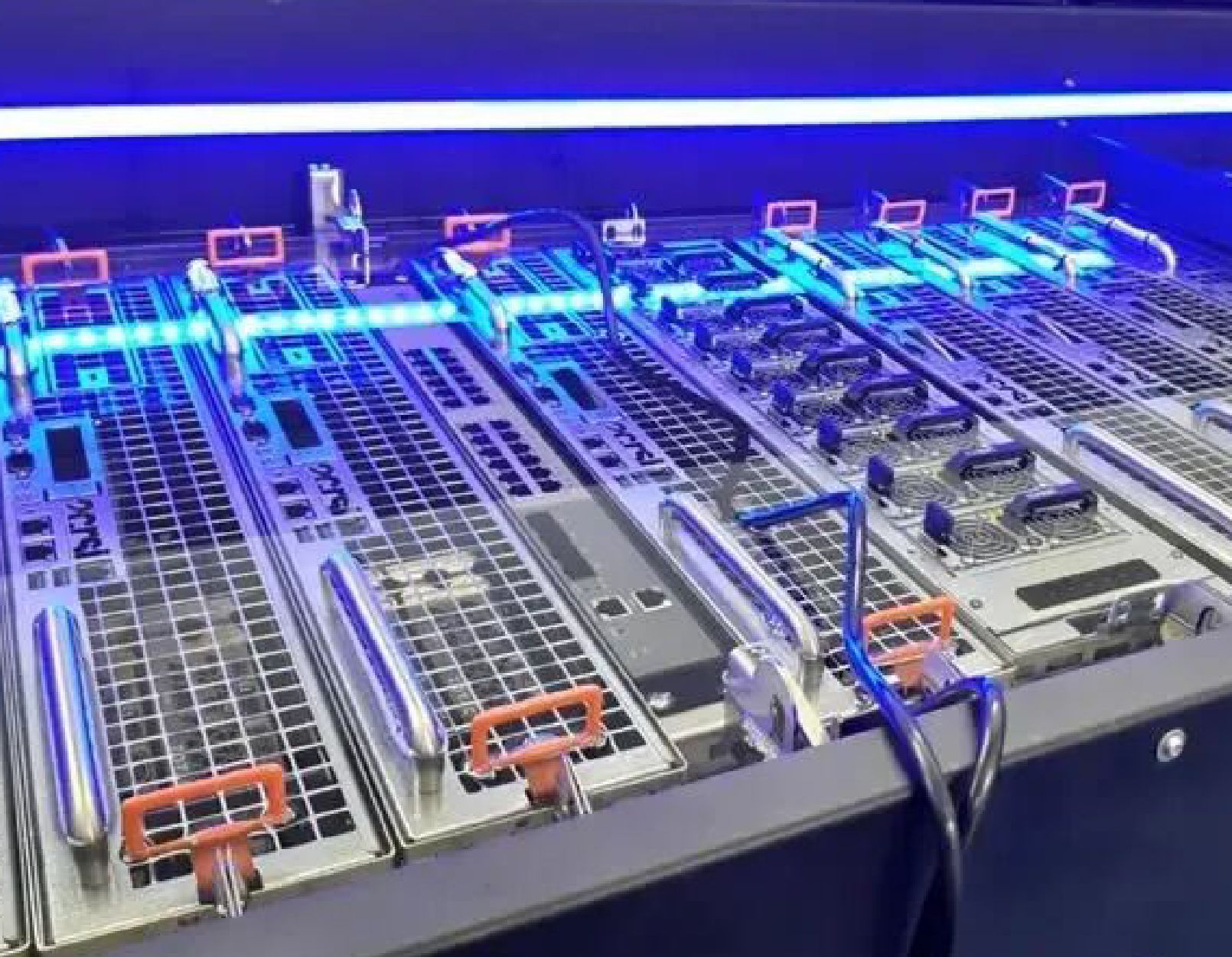
Semiconductor coolant is a cooling medium widely used in the semiconductor industry. It is mainly used to control the heat generated by semiconductor equipment and chips during their working process to ensure the stable operation of the equipment and extend its service life.
Semiconductor cooling fluids are cooling media widely used in the semiconductor industry. They are primarily employed to manage the heat generated by semiconductor equipment and chips during operation, thereby ensuring the stable performance of the equipment and extending its service life. The following is a detailed analysis of semiconductor cooling fluids:
Semiconductor cooling fluids are specialized liquids used in semiconductor processing and for the thermal management of electronic equipment. Depending on their composition and characteristics, these fluids can be categorized into various types, among which electronic-grade fluorinated fluids are particularly common. Electronic-grade fluorinated fluids are colorless, odorless, low-viscosity, non-conductive, non-flammable, and non-corrosive; they offer a high level of safety and possess exceptionally stable physical and chemical properties.
Temperature Control: Semiconductor coolants effectively control the operating temperature of semiconductor devices and chips by absorbing and removing heat generated, preventing performance degradation and damage caused by overheating.
Improved Stability: A stable temperature environment helps maintain the operational stability of semiconductor equipment, improving production efficiency and product quality.
Equipment Protection: Coolants can also prevent air bubbles from forming inside the equipment, prevent heat-induced deformation of optical components, and prevent thermal cracking of metal parts, thereby extending the equipment's lifespan.
Environmental and Energy-Saving: Some semiconductor coolants, such as silicone coolants, have environmental and energy-saving advantages, meeting the requirements of sustainable development.
Semiconductor coolants are widely used across various sectors, including semiconductor manufacturing, data centers, and avionics. In semiconductor manufacturing, these coolants provide precise temperature control for critical equipment—such as etching tools, ion implanters, and chemical vapor deposition (CVD) systems—ensuring high-precision processing capabilities as feature sizes continue to shrink. Furthermore, with the advancement of computing power and artificial intelligence, the application of liquid cooling technology is steadily expanding into areas such as AI data centers.
When using semiconductor cooling fluids, please keep the following points in mind:
1. Follow operational procedures: Ensure that the cooling fluid is used in accordance with the product manual and relevant operational guidelines to prevent harm to humans or the environment.
2. Perform regular maintenance: Conduct routine maintenance and inspections of the equipment to ensure the cooling system functions properly and the cooling fluid maintains its effectiveness.
3. Select the appropriate product: Choose a cooling fluid that suits the specific requirements of your equipment and its operating environment to achieve optimal cooling performance.
In summary, semiconductor coolants play a vital role in the semiconductor industry. As technology continues to advance and the range of applications expands, the market for semiconductor coolants is expected to maintain its rapid growth.