The electronic control systems of fitness equipment are frequently exposed to sweat, moisture, drastic temperature fluctuations, and outdoor elements such as sun and rain. There is an increasing demand for waterproofing treadmill control boards, sealing exercise bike consoles, and moisture-proofing elliptical touchscreens. Centered on empirical test data, this article presents an engineering analysis comparing conformal coatings and nano-coatings for fitness equipment PCBA protection; it also provides in-depth reference material covering treadmill control board waterproofing, nano-coating applications for fitness equipment, and test data regarding the replacement of conformal coatings.
The electronic control systems of fitness equipment are frequently exposed to sweat, moisture, drastic temperature fluctuations, and outdoor elements like sun and rain. Requirements such as waterproofing for treadmill control boards, sealing for spin bike consoles, and moisture protection for elliptical touchscreens have become increasingly critical. Centered on empirical test data and focusing on the comparison of PCBA protection methods for fitness equipment, this article provides an engineering analysis of conformal coatings versus nano-coatings. It also offers in-depth reference material covering treadmill control board waterproofing, nano-coating applications for fitness equipment, and test data regarding the substitution of conformal coatings.
I. Environmental Exposure Analysis of Fitness Equipment Electronic Control Systems
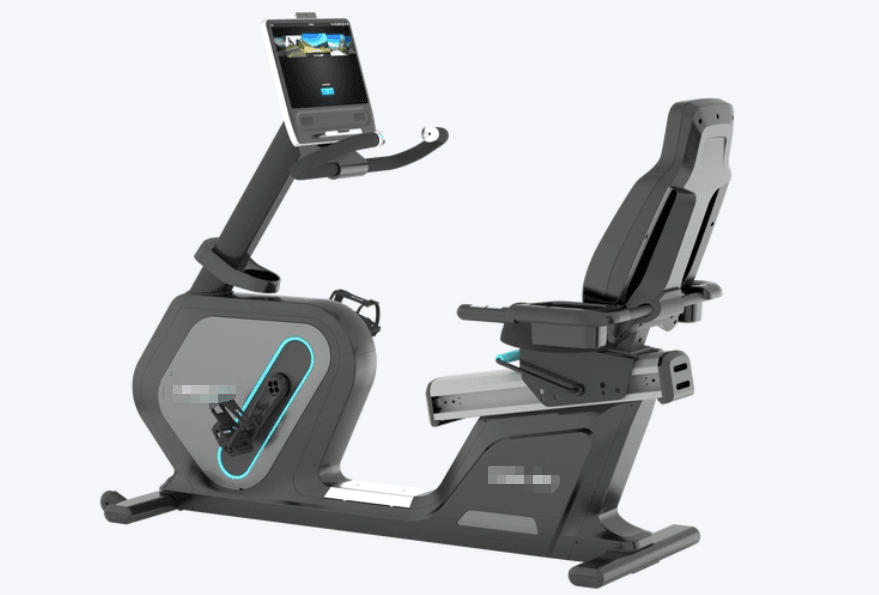
Fitness equipment operates in diverse and challenging environments. Home treadmills placed in living rooms or on balconies expose control boards to temperature and humidity fluctuations as well as accidental liquid spills; consequently, the waterproofing of these boards directly impacts equipment reliability. In commercial gyms, spin bike and elliptical consoles endure long-term exposure to concentrated sweat vapor, making sweat protection for fitness electronics an essential industry requirement. Meanwhile, control systems in outdoor fitness equipment face direct exposure to sunlight, rain, salt spray, and significant diurnal temperature variations, making the selection of moisture-proof solutions particularly crucial.
Unlike industrial electronics, PCBA protection for fitness equipment faces three specific challenges: first, sweat contains sodium chloride, urea, and lactic acid, which cause electrochemical corrosion on solder joints and copper traces; second, the interplay between internal temperature rises and the external environment leads to condensation; and third, mechanical vibrations during use cause continuous changes in interfacial stress between the coating and the substrate. These factors collectively dictate the rigorous standards required for PCBA protection solutions in fitness equipment.
Currently, the industry's mainstream protection methods are conformal coating (via spraying) and nano-coating (via dip coating). Conformal coatings utilize organic polymers—such as acrylics, polyurethanes, or silicones—to form a dense protective film ranging from tens to hundreds of microns in thickness. In contrast, nano-coatings employ a superhydrophobic/oleophobic nano-molecular layer to achieve equivalent protection with a thickness in the nanometer range. The two approaches differ significantly in their technical pathways and protective mechanisms, and the application of nano-coatings for fitness equipment is expanding rapidly.
II. Test Protocol Design
2.1 Test Sample Preparation
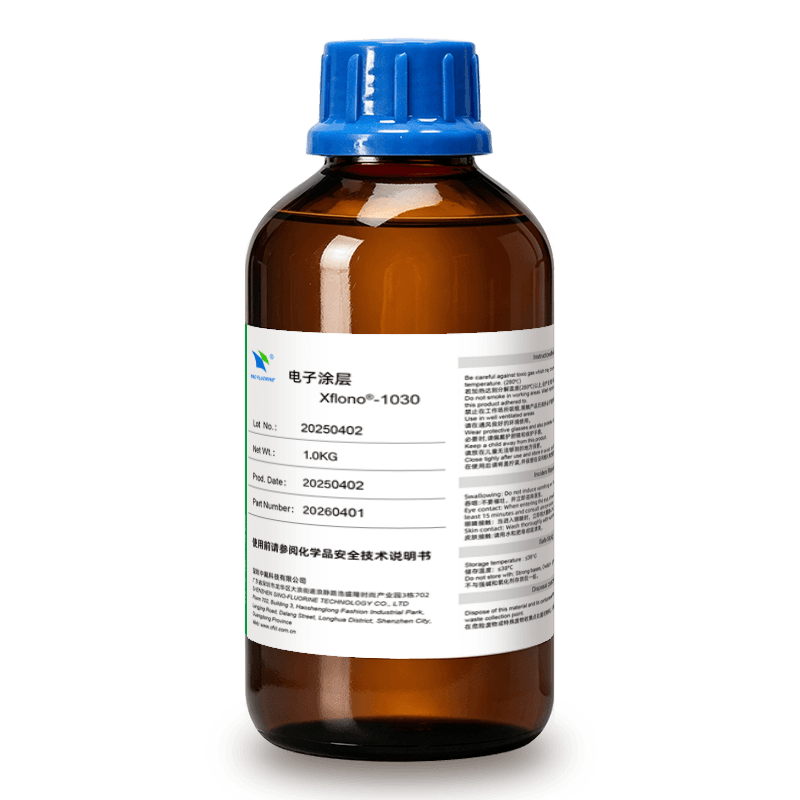
General-purpose control boards for fitness equipment from the same production batch were selected as test substrates; the board surfaces featured typical components such as exposed copper traces, solder joints, IC pins, and surface-mount resistors and capacitors. The test boards were divided into three equal groups: Group A was coated with acrylic conformal coating (80–120 μm thick); Group B was coated with polyurethane conformal coating (60–100 μm thick); and Group C was treated with Shenzhen Zhongfu Nano’s "1030" nano-coating (200–500 nm thick). Thirty test boards were prepared for each group, designated for various specific tests.
2.2 Test Items and Standards
This test protocol covers four key evaluation dimensions: salt spray testing (based on GB/T 2423.17; neutral salt spray; durations of 48h, 96h, and 168h); "Double 85" temperature-humidity aging testing (85°C, 85% relative humidity; based on IEC 60068-2-78; 1000h duration); simulated sweat testing (based on the ISO 3160-2 artificial sweat formula; immersion test at 40°C); and supplementary evaluations of insulation resistance and withstand voltage. Each test was designed to directly address the core requirements for comparing protection methods for fitness equipment PCBAs.
2.3 Definition of Evaluation Criteria
A three-level assessment system was employed: Pass (no change in appearance, normal electrical performance, insulation resistance ≥100 MΩ); Minor Failure (discoloration or localized blistering, insulation resistance decreased but ≥10 MΩ); and Major Failure (significant corrosion, coating delamination or short-circuiting, insulation resistance <10 MΩ or dielectric breakdown). Five boards from each group were used for each test, and final results are presented as median values and failure rates. III. Comparison of Salt Spray Test Results
3.1 48-Hour Salt Spray Test
After 48 hours of salt spray exposure, all three groups of samples passed the test, though differences in surface condition had already emerged. The acrylic conformal coating group showed slight surface yellowing and tiny bubbles at the edges of solder joints; insulation resistance dropped from an initial 500 MΩ to 180 MΩ. The polyurethane conformal coating group maintained a good appearance, with insulation resistance dropping to 320 MΩ. The nano-coating group showed no visible surface changes, maintained a contact angle >110°, and kept insulation resistance above 480 MΩ. This stage already revealed early disparities in the protection performance for sports equipment PCBA.
3.2 96-Hour Salt Spray Test
At the 96-hour mark, the differences became significantly more pronounced. In the acrylic conformal coating group, three samples exhibited localized blistering; one of these showed green copper corrosion products around the solder joints. The average insulation resistance fell to 45 MΩ, and the minor failure rate reached 60%. The polyurethane conformal coating group outperformed the acrylic group; only one sample showed edge blistering, with an average insulation resistance of 128 MΩ and a minor failure rate of 20%. All samples in the nano-coating group passed with no surface changes, and the average insulation resistance remained above 400 MΩ. As the 96-hour mark is typically the starting point for waterproof acceptance testing of treadmill control boards, the advantages of the nano-coating were clearly evident.
3.3 168-Hour Salt Spray Test
After the 168-hour extreme test, all five samples in the acrylic conformal coating group failed; two suffered severe failure (spreading copper foil corrosion and insulation resistance <5 MΩ), while three experienced minor failure. In the polyurethane conformal coating group, three samples experienced minor failure and two passed, with the average insulation resistance dropping to 56 MΩ. All five samples in the nano-coating group passed the test; only one showed extremely faint water marks at the edges of the IC pins. The average insulation resistance remained above 350 MΩ, resulting in a 100% pass rate. These results strongly validate the reliability of the nano-coating for fitness equipment in harsh salt spray environments.
IV. Comparison of "Double 85" (85°C/85% RH) Hygrothermal Aging Results
4.1 500-Hour Mark
At the 500-hour mark of the "Double 85" test, the acrylic conformal coating group exhibited noticeable surface yellowing and a slight decrease in coating hardness; insulation resistance dropped from the initial value to approximately 120 MΩ, though no blistering or delamination occurred. The polyurethane conformal coating group showed slight yellowing, with insulation resistance dropping to 260 MΩ. The nano-coating group showed no change in appearance; the contact angle decreased slightly from the initial 112° to 108°, and insulation resistance remained above 420 MΩ, indicating overall stability. Trends regarding the potential replacement of traditional conformal coatings were already evident at this stage.
4.2 1000-Hour Mark
Upon completion of the 1000-hour test, four samples in the acrylic conformal coating group exhibited extensive blistering and delamination, with corrosion products visible around solder joints; the average insulation resistance dropped to 18 MΩ, and the severe failure rate reached 40%. In the polyurethane conformal coating group, two samples showed slight blistering, and the average insulation resistance dropped to 82 MΩ, though no severe failures occurred. All five samples in the nano-coating group passed; there were no changes in appearance, the average insulation resistance was 285 MΩ, and the contact angle remained above 105°, indicating sustained hydrophobic performance. This long-term aging data should serve as a reference for selecting moisture-proofing solutions for the electronic control systems of outdoor fitness equipment.
4.3 Analysis of Hygrothermal Aging Mechanisms
The "Double 85" test results intuitively reflect the differences in water vapor permeability and interfacial adhesion among the various protective materials. Although traditional conformal coatings form films tens of microns thick, the molecular segments within the polymer exhibit increased mobility under conditions of high temperature and humidity; moisture permeates through free-volume voids to the substrate interface, where hydrolysis compromises adhesion, ultimately resulting in blistering and delamination. In contrast, nano-coatings form films only hundreds of nanometers thick, yet their molecular layers bond firmly to the substrate surface via covalent bonds; hydrophobic groups maintain their oriented arrangement even at high temperatures, severely restricting pathways for moisture permeation. This mechanism explains why nano-coatings outperform other options in protecting PCBA components used in fitness equipment.
V. Comparative Analysis: Simulated Sweat Tests
5.1 24-Hour Sweat Immersion
After 24 hours of immersion in artificial sweat (pH 6.5; containing NaCl, lactic acid, urea, ammonia, etc.) at 40°C, the acrylic conformal coating group exhibited significant swelling and softening; the coating thickness increased by approximately 15%, and insulation resistance plummeted from 500 MΩ to 35 MΩ—falling below the pass threshold. The polyurethane conformal coating group demonstrated better sweat resistance, showing only slight surface softening and a drop in insulation resistance to 210 MΩ. The nano-coating group showed no surface changes, maintained an insulation resistance of 460 MΩ, and retained a contact angle of 109°. These results highlight the rigorous demands placed on sweat protection for sports electronics.
5.2 72-Hour Sweat Immersion
The 72-hour immersion served as an extreme stress test. All five samples in the acrylic conformal coating group suffered catastrophic failure, characterized by extensive coating delamination and severe corrosion of solder joints; insulation resistance dropped below 5 MΩ for all samples. In the polyurethane conformal coating group, two samples failed catastrophically (coating delamination and copper foil corrosion), two showed minor failure, and only one barely passed; the average insulation resistance fell to 22 MΩ. All five samples in the nano-coating group passed the test; only one exhibited extremely faint water marks at the edge of a solder pad. The average insulation resistance was 320 MΩ, resulting in a 100% pass rate. These data provide a direct reference for the design of equipment such as exercise bikes.
5.3 Engineering Significance of Sweat Protection
Sweat protection for exercise equipment is an engineering challenge that is easily underestimated. In the stationary bike and elliptical machine areas of commercial gyms, the concentration of sweat vapor in the air can reach five to eight times that of a typical indoor environment. When the device is powered on, sweat deposits on the control board surface form an electrolyte film, accelerating electrochemical migration and dendrite growth. Thanks to their dense, molecular-level barrier and super-omniphobic properties, nano-coatings effectively prevent ions in sweat from penetrating to the substrate surface; this is the fundamental reason why they vastly outperform conformal coatings in sweat protection tests for fitness electronics. Comparative test data indicate that traditional conformal coating solutions possess inherent limitations in this application scenario.
VI. Comprehensive Comparative Evaluation
Based on the complete dataset from the aforementioned salt spray tests, "Double 85" (85°C/85% RH) aging tests, and simulated sweat tests, a comprehensive comparative evaluation is presented below across seven key dimensions. This serves as the core reference for comparing PCBA protection solutions for exercise equipment.
| Evaluation Criteria | Acrylic Conformal Coating | Polyurethane Conformal Coating | Nano-coating | Remarks/Data Source |
|---|---|---|---|---|
| 168h salt spray test pass rate | 0% | 40% | 100% | GB/T 2423.17 Neutral Salt Spray |
| 1000h "Double 85" test pass rate | 20% | 60% | 100% | IEC 60068-2-78 |
| 72h sweat immersion test pass rate | 0% | 20% | 100% | ISO 3160-2 Artificial Sweat (40°C) |
| Coating thickness | 80-120μm | 60-100μm | 200-500nm | Nano-coating thickness is only 1/400 that of conformal coating |
| Insulation resistance retention rate (1000h "Double 85") | 3.6% | 16.4% | 57% | Compared to the initial 500 MΩ |
| Reworkability | Difficult (requires chemical removal) | Difficult (requires chemical removal) | Good (removable with hot air) | Nano-coating allows for localized repair and recoating |
| Coating process efficiency | Spraying requires masking; longer processing time | Spraying requires masking; longer processing time | Dip coating/spraying; no masking required | Nano-coating enables full-surface coverage of the board |
Comprehensive comparative data clearly demonstrates that nano-coatings outperform other options across all key protective metrics. While traditional conformal coatings perform adequately in the short term (under 48 hours) and under standard environmental conditions, their performance degrades significantly faster than that of nano-coatings when subjected to the specific challenges of sports equipment—namely, sweat corrosion and prolonged high-humidity environments. The severe failure of acrylic conformal coatings during sweat immersion testing highlights their limitations for use on fitness equipment PCBAs. These test results provide a quantitative basis for material selection.
VII. Conclusions and Selection Recommendations
7.1 Key Conclusions
Based on the four sets of comparative test data, nano-coatings significantly outperform acrylic and polyurethane conformal coatings in protecting fitness equipment PCBAs across four dimensions: salt spray resistance, performance retention after hygrothermal aging, sweat corrosion resistance, and electrical performance stability. Nano-coatings achieved a 100% pass rate in three rigorous tests—168-hour salt spray, 1,000-hour "Double 85" aging, and 72-hour sweat immersion—whereas acrylic conformal coatings failed completely in the 168-hour salt spray and 72-hour sweat immersion tests. The evidence clearly favors nano-coatings for PCBA protection in sports equipment.
7.2 Selection Recommendations
Recommendations based on equipment type are as follows: For indoor equipment with low sweat exposure, such as treadmills and elliptical machines, polyurethane conformal coating serves as a viable baseline option—provided cost is a primary concern and the operating environment is controlled; however, care must be taken to apply additional coating to connectors on treadmill control boards to meet waterproofing requirements. For high-sweat-exposure scenarios, such as commercial-grade spin bikes and rowing machines, the nano-coating solution is strongly recommended, as its advantages in protecting sports electronics from sweat are unmatched.
For the electronic control systems of outdoor fitness equipment, nano-coating is the only suitable protective solution. Outdoor environments subject equipment to simultaneous exposure to UV radiation, salt spray, rainfall, and diurnal thermal cycling. While traditional conformal coatings typically fail within 3–6 months in such conditions, nano-coatings offer continuous protection for over two years. For specific implementation details regarding moisture-proofing solutions for outdoor fitness equipment electronics, please refer to our previous technical analysis: *In-depth Analysis of Waterproofing and Moisture-proofing Solutions for Outdoor Fitness Equipment Electronic Control Systems*.
7.3 Cost-Benefit Analysis
Based on calculations for a production volume of 10,000 control boards, the per-unit protection cost of nano-coatings is approximately 15–25% higher than that of traditional conformal coatings. However, given that nano-coatings reduce the product rework rate from 8–12% to 0.5–1.5%, the overall cost of use (Total Cost of Ownership) actually decreases by 30–40%. For fitness equipment brands, this translates to lower after-sales maintenance expenses and higher customer satisfaction. For a detailed report on further test data regarding the replacement of conformal coatings, please consult the *White Paper on Verification Testing for Conformal Coating vs. Nano-coating Replacement*.
7.4 Implementation Recommendations
From an engineering implementation perspective, fitness equipment manufacturers should focus on three key areas when upgrading production lines: establishing Incoming Quality Control (IQC) standards for coating thickness and contact angle; adopting an immersion-based nano-coating process to ensure complete, gap-free coverage of the entire board surface; and introducing 168-hour salt spray spot checks as a reliability verification step prior to shipment. Only by managing materials, processes, and testing within a closed-loop system can manufacturers truly enhance the reliability of PCBA protection in fitness equipment. Successfully implementing moisture-proofing solutions for outdoor fitness electronics requires a systematic engineering approach.