
A P1.5 COB fine-pitch LED display can easily cost hundreds of thousands or even over a million yuan. Installed on the facades of prime urban commercial districts, beneath stadium roofs, or at the entrances of exhibition centers, these screens face a daily triple threat: intense sunlight, driving rain, and condensation caused by temperature fluctuations. Yet, what truly terrifies operators is not the exposure to the elements, but the "slow death" caused by moisture.
A Chain Reaction of Disaster Triggered by a Single Defective Pixel
The LED display industry faces a harsh reality: the failure of a single pixel often acts as the catalyst for replacing the entire screen. When moisture seeps into the PCBA at the base of the LED package, the metal leads begin to oxidize and corrode; what may start as uneven brightness can escalate into a "caterpillar" failure (a chain reaction causing a column of LEDs to go dark), ultimately rendering the entire module unusable.
After-sales data from an LED screen operator in Shenzhen reveals that, for outdoor LED screens installed in South China, moisture-related issues account for 47% of all service cases. The average cost of a single repair exceeds 8,000 RMB (covering high-altitude operations, labor, and spare parts), not to mention the incalculable loss of advertising revenue caused by the "black window" (blank area) on the screen during the repair process.
Three Major Pain Points of Traditional Protection Methods
The industry employs three traditional solutions to address the moisture protection needs of LED screens, each with critical drawbacks:
Potting compound: Offers the best protection but suffers from poor thermal conductivity; the resulting rise in LED temperatures accelerates light degradation. It also renders the unit unrepairable—if a single LED fails, the entire module must be replaced.
Conformal coating: With a thickness of 25–75μm, this method compromises light output efficiency and color temperature. It also leaves many "blind spots," making it difficult to adequately coat critical areas such as connectors and pin headers.
Structural sealing: Relies on sealing rings and waterproof gaskets but fails to counter the "breathing effect" caused by temperature fluctuations—thermal expansion during the day draws in moisture, while cooling at night leads to internal condensation.
Precision Protection Solutions via Nano-Coatings
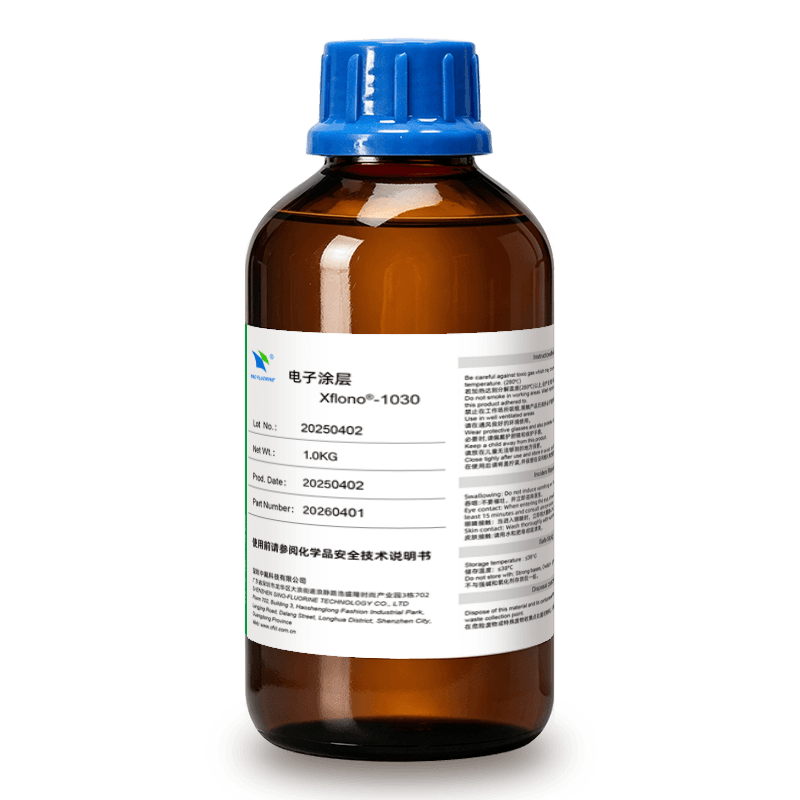
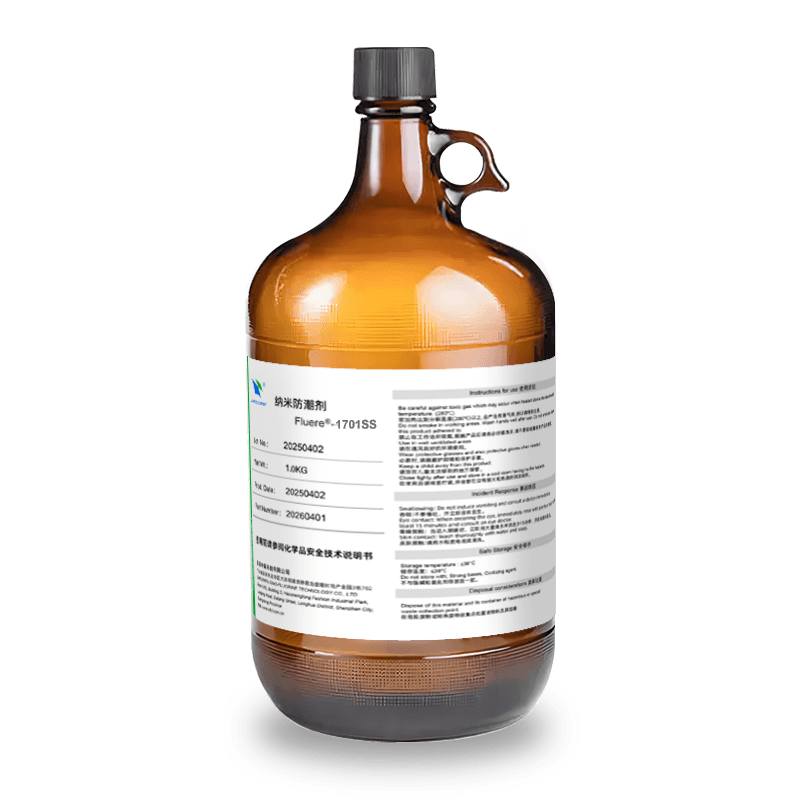
The application of dip-coating nano-technology is revolutionizing moisture protection for LEDs. For COB fine-pitch LED PCBA modules, a process involving a 3-second immersion followed by 3 minutes of air-drying prior to shipment creates an ultra-thin protective film—ranging from 0.5 to 2 μm in thickness—across the LED chips, solder joints, driver ICs, and PCB surfaces.
The unique advantages of this solution include:
Zero optical loss: The coating thickness is far less than the wavelength of visible light (380–780 nm), resulting in negligible light attenuation and no significant impact on color temperature, brightness, or uniformity.
No heat accumulation: The micron-level thickness does not impede heat conduction; the PN junction temperature of the LED chips remains unaffected, and the long-term lumen maintenance curve matches that of uncoated units.
Complete encapsulation: The dipping process ensures the coating penetrates every microscopic gap—including areas inaccessible to spray coating, such as the underside of BGA chips and QFN sidewalls.
Reworkability: In the event of individual LED failures, the specific chips can be replaced and the unit re-dipped, eliminating the need to scrap the entire module.
From Production Line to Field: An End-to-End Protection System
The best practice is to apply the coating before the module leaves the factory, rather than attempting remedial measures at the installation site. Once SMT assembly and power-on testing are complete, the entire PCBA module is simply dipped into the nano-coating solution for three seconds and left to air-dry. Production line data from an LED screen manufacturer shows that a single line can process up to 5,000 modules per day; the added processing cost is less than 0.5 RMB per module, while the after-sales return rate dropped from 8.3% to 0.7%.
For screens already installed outdoors, supplementary protection can be applied via spraying, specifically targeting critical points vulnerable to water ingress, such as power connectors, signal ribbon cables, and screw holes.
Beyond Waterproofing: The Full Lifecycle Value of LED Screens
With the global LED display market growing at an annual rate of over 15%, product reliability has become a key factor in brand competitiveness. A screen capable of operating stably in humid environments for five years without suffering from widespread pixel failure offers customers far more than just a difference in maintenance costs; it creates a world of difference in terms of brand trust compared to a competitor's product that requires replacement after just three years.