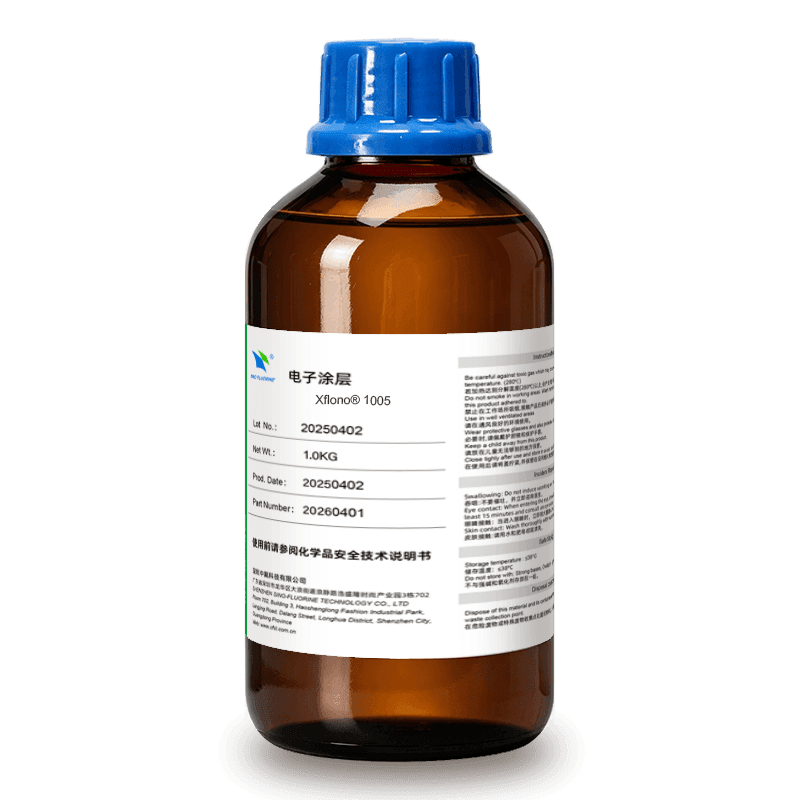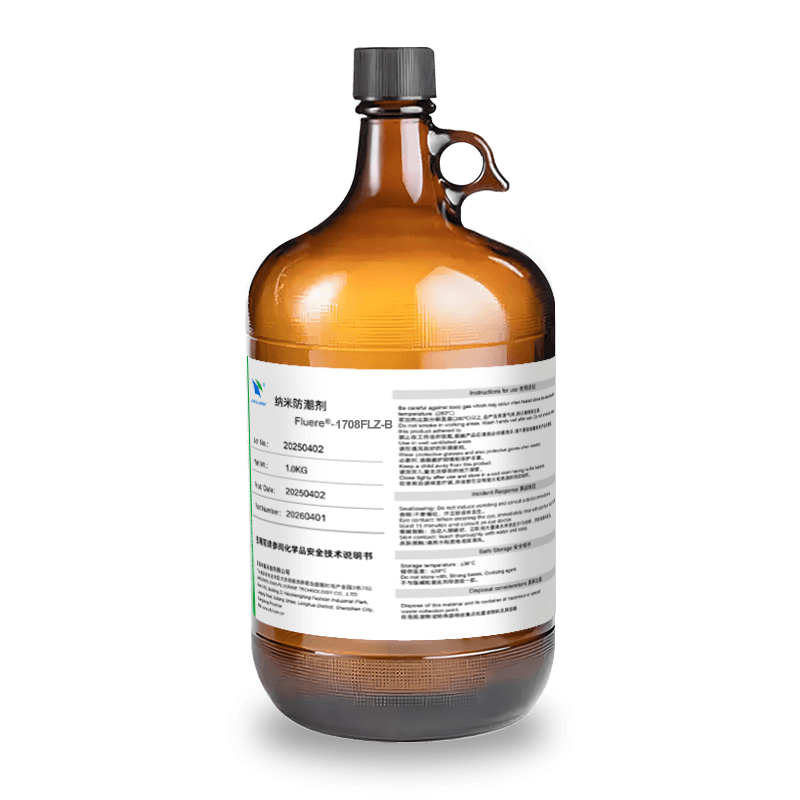
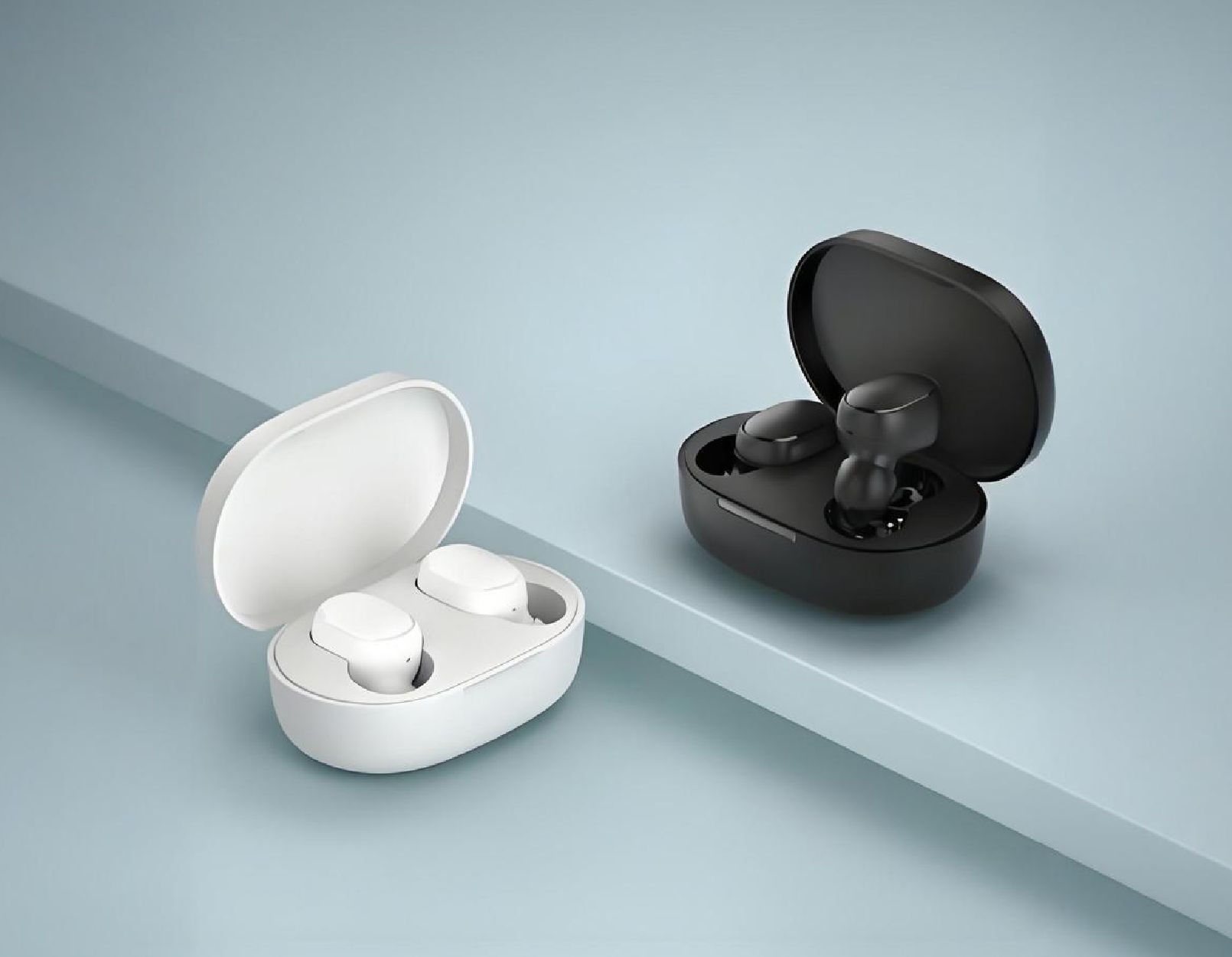
Bluetooth earbuds are among the electronic devices that modern people wear most frequently and keep closest to them. Whether commuting, working out, or taking a break between meetings, they rarely leave the user's ears. Yet, these very devices are highly vulnerable to damage from sweat and moisture. They remain in prolonged contact with the skin and sweat; they are exposed to rain and humidity outdoors; and when stowed in pockets, they must withstand compression and temperature fluctuations. A pair of earbuds' resistance to water and sweat directly determines its lifespan and reputation.
Bluetooth earbuds are among the personal electronic devices we wear most frequently and keep closest to us. Whether we are commuting, working out, or taking a break between meetings, they rarely leave our ears.
Yet, Bluetooth earbuds are also particularly vulnerable to damage from sweat and moisture. They remain in prolonged contact with the skin and sweat; they are exposed to rain and humidity outdoors; and when stowed in pockets, they must withstand physical pressure and temperature fluctuations. A pair of earbuds' resistance to water and sweat directly determines its lifespan and reputation.
However, the application of electronic moisture-protection solutions extends far beyond Bluetooth earbuds. From consumer-grade headphones and smartwatches to industrial controllers and sensors, this "all-scenario" protection technology safeguards countless circuit boards. Starting with Bluetooth earbuds, this article explores the full scope of applications covered by this technology.
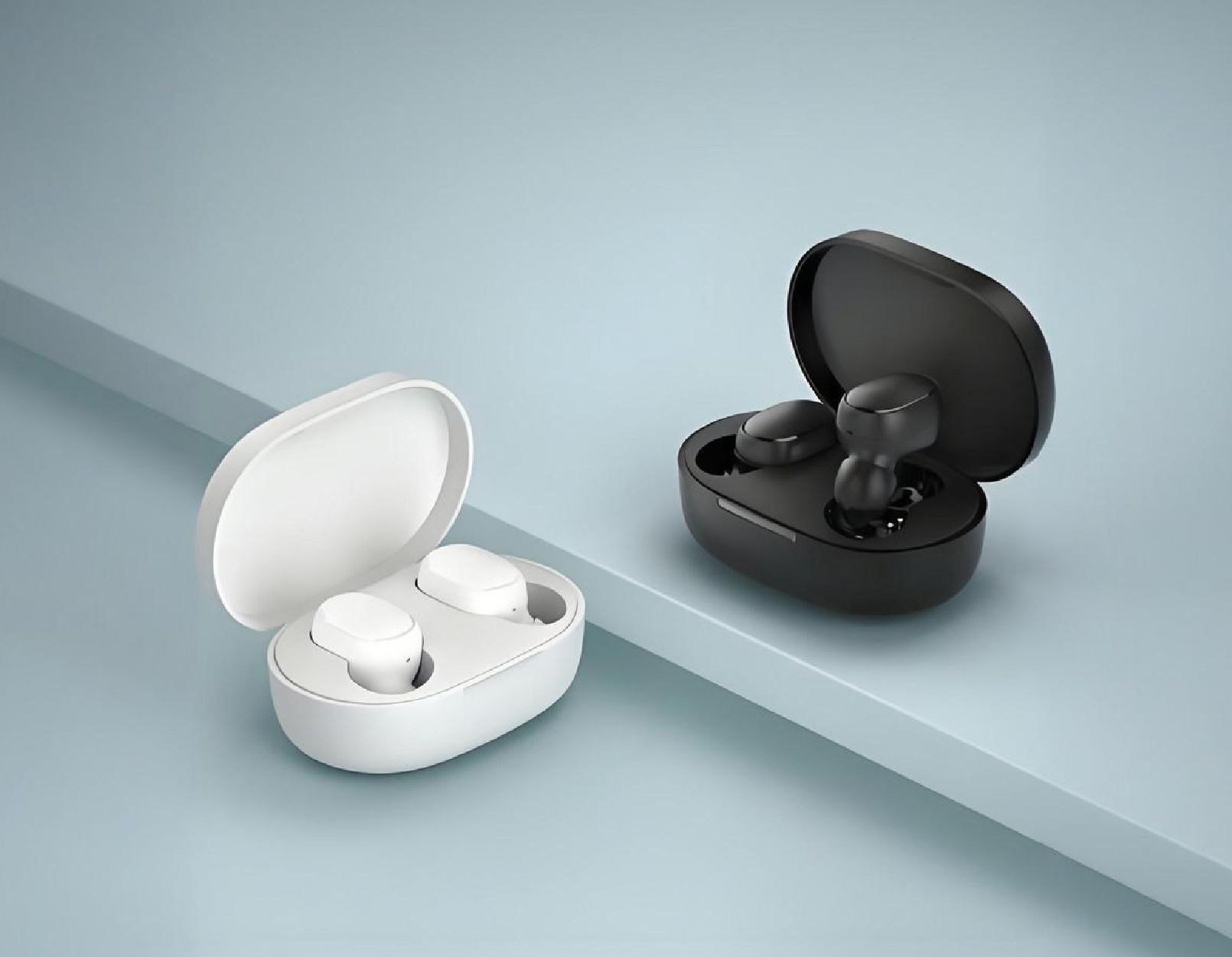
Figure 1: Comprehensive electronic protection solutions for applications ranging from Bluetooth headsets to industrial equipment.
I. Bluetooth Earbuds: The Ultimate "Close-Contact" Protection Challenge
The protection requirements for Bluetooth earbuds are far more demanding than those for many larger devices.
**Space is extremely limited.** The interior of a TWS (True Wireless Stereo) earbud is packed with a battery, chip, antenna, and microphone, leaving virtually no room for a protective coating. Traditional conformal coatings are too thick to fit, and potting compounds are out of the question. The only viable option is an ultra-thin nano-coating—ranging from 0.8 to 13 microns—which takes up almost no space yet effectively blocks sweat.
**The operating environment is unique.** Sweat is not ordinary water; it contains salts, oils, and electrolytes, making it highly corrosive. As earbuds remain in close contact with the skin for extended periods, sweat can seep through gaps and corrode the circuitry. The nano-coating’s low surface energy makes it difficult for sweat to adhere; with an oleic acid contact angle of 101 to 105 degrees, it can even repel oily sweat components.
**It must be imperceptible.** Users are highly sensitive to the weight, size, and fit of earbuds. The "imperceptible" nature of nano-coatings aligns perfectly with this need—providing effective protection without the user even noticing it is there.
II. TWS Earbuds: Challenges from Lab to Mass Production
Protecting TWS earbuds presents a unique challenge: consistency in mass production.
Achieving water and sweat resistance for a single earbud in a laboratory setting is not difficult. The real challenge lies in ensuring that every single unit—out of tens of thousands produced daily—delivers the same level of protection. This requires a coating process that is stable, controllable, and repeatable.
Electronic moisture-proofing agents offer a natural advantage here. The dipping process allows for greater uniformity than spraying; the liquid naturally permeates the components, ensuring highly consistent coverage across every circuit board. A simple process—featuring a 3-second film formation and room-temperature curing—also minimizes human error during mass production. When combined with mature automated dipping lines, TWS earbud protection becomes fast, reliable, and consistent.
This is precisely why an increasing number of earbud manufacturers are opting for nano-coatings. It solves not only the challenge of achieving water resistance in a laboratory setting but also the issue of ensuring stable, mass-scale production on the assembly line.
III. From Earphones to Smartwatches: A Protection Matrix for Consumer Electronics
The protection strategy used for Bluetooth earphones can be seamlessly applied to other consumer electronics.
Smartwatches and smart bands share similar characteristics with earphones: they are worn close to the body, are vulnerable to sweat, and feature compact internal designs. Their protection requirements are virtually identical—ultra-thin profiles, imperceptibility to the user, and resistance to sweat and moisture. Nano-coatings represent the optimal solution for these products as well.
Expanding the scope further, devices such as smartphones, tablets, laptops, smart home appliances, POS terminals, and smart locks—essentially any consumer electronic device containing circuit boards exposed to moisture or sweat—can benefit from nano-coating technology. Paiqi Nano’s product portfolio covers this entire spectrum of consumer electronics protection needs.
For manufacturers, this means they can address the protection requirements of their entire product line using a single supplier and a unified solution. This streamlines product selection, procurement, manufacturing processes, and after-sales support, making the entire workflow far more efficient and hassle-free.
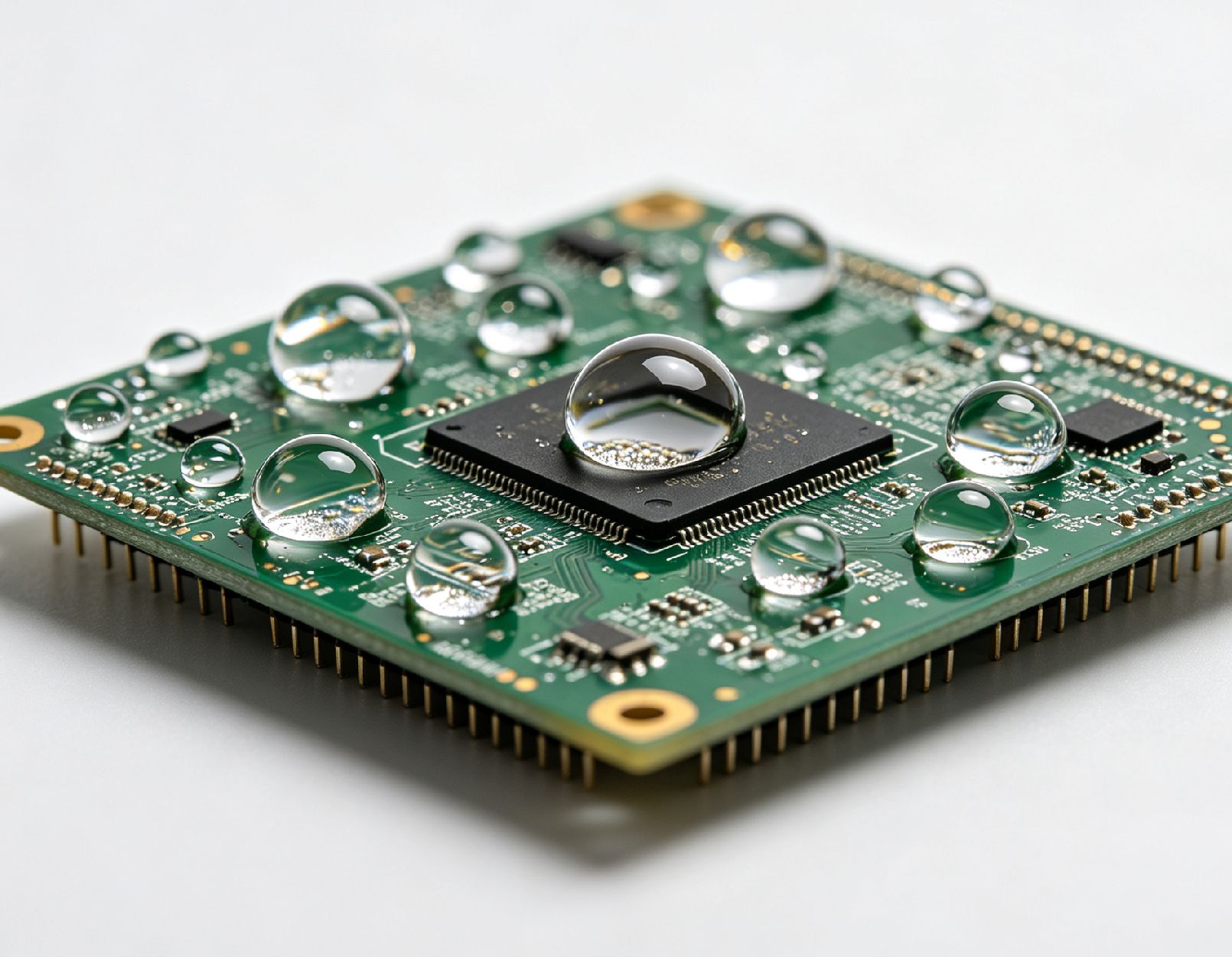
Figure 2: Hydrophobic and oleophobic performance of the nano-coating agent for electronic protection.
IV. From Consumer to Industrial: Extending the Same Technology
The capabilities of nano-coatings extend far beyond consumer electronics; they are equally powerful tools for protection in the industrial sector.
Industrial control equipment, PLCs, sensors, and instrumentation often operate in harsh environments—factory floors, outdoor settings, and areas with high humidity or heavy dust. Their circuit boards face far more rigorous challenges than those in consumer electronics. Nano-coatings excel in these industrial scenarios thanks to their water, moisture, and corrosion resistance, combined with robust performance specifications such as temperature tolerance (-40°C to 125°C) and salt spray resistance (1,000 hours).
Crucially, the transition from consumer electronics to industrial equipment relies on the same underlying technology and logic. For Zhongfu Technology, this means technical expertise can be leveraged across sectors: the processes, data, and experience honed in consumer electronics can be directly applied to industrial applications. This "all-scenario" technical depth gives the company an advantage that single-scenario manufacturers struggle to match.
V. Three Common Threads in All-Scenario Protection
The leap from Bluetooth earbuds to industrial equipment may seem vast, yet the protection requirements share striking similarities.
First, both require moisture and water resistance. Whether it is sweat in the ear or condensation in a factory, the core issue is the erosion of circuit boards by moisture. Second, both require ultra-thin coatings. Consumer electronics need to save space, while industrial equipment requires efficient heat dissipation; thick coatings are simply not viable for either. Third, both demand reliability. Consumer electronics rely on reputation, while industrial equipment relies on safety; in both cases, the protection must stand the test of time.
These three commonalities perfectly showcase the advantages of nano-coating technology. This is why a single electronic moisture-proofing solution can cover the entire spectrum of applications—from Bluetooth earbuds to industrial equipment—by addressing the fundamental needs of electronic protection.
VI. The Fluorine-Free Path: Ensuring Compliance for All-Scenario Protection
There is one more dimension to consider for all-scenario protection: regulatory compliance. Consumer electronics target a global market, and industrial equipment is often exported to Europe and the US; in both cases, environmental compliance is a mandatory requirement. The EU's trend toward restricting PFAS makes the fluorine-free approach a critical technological direction. Zhongfu Technology’s superhydrophobic electronic moisture-proofing agents—such as the 1700 series—feature self-healing capabilities, withstand 168 to 240 hours of salt spray testing without degradation, and demonstrate stable performance across high and low temperatures.
This means that whether for Bluetooth headsets or industrial equipment, and regardless of the target market, Zhongfu Technology offers compliant technical solutions. By advancing both fluorinated and fluorine-free product lines in parallel, the company ensures that "all-scenario" protection is truly "fully compliant."
From Bluetooth headsets to industrial equipment, the scope of electronic moisture-proofing agents spans virtually every corner of the electronics landscape. Utilizing molecular-level technology, these agents safeguard circuit boards everywhere—from personal devices worn close to the ear to machinery on the factory floor, and from everyday life to industrial production. This is the true essence of "all-scenario electronic protection."
Ultimately, the essence of electronic protection lies in the relentless pursuit of reliability. The lifespan of a circuit board depends on its ability to function consistently in harsh environments; a high-quality protective coating provides the material foundation for that consistency. Paiqi Nano employs molecular-level coating technology to build a foundation that is rock-solid—solid enough to be documented in test reports and client case studies, and to be embodied in every circuit board that operates safely. Behind the data lies a certainty forged through countless laboratory validations and real-world production line applications.
Looking at specific scenarios, every protected circuit board represents a genuine pain point, a real-world failure, and a tangible financial loss. The value of electronic moisture-proofing agents lies in preventing these issues before they occur. When an invisible coating safeguards these circuit boards, it is ultimately protecting the people behind the products: the engineers delivering the work, the brand’s reputation, and the users' trust.
This "all-scenario" capability delivers multi-layered value to customers. For consumer electronics manufacturers, this means a unified solution can cover headphones, smartwatches, smartphones, and smart home devices, simplifying component selection and procurement. For industrial equipment manufacturers, it allows for the adoption of mature, proven processes and data from the consumer electronics sector, thereby reducing the costs associated with trial and error. For diversified corporate groups, it means a single supplier can meet the protection needs of an entire product portfolio, leading to more efficient supply chain management. In the realm of electronic protection—a field where success relies 30% on the product and 70% on the application process—the value of a truly comprehensive, all-scenario supplier extends far beyond merely selling a container of coating; it delivers a complete package of validated process capabilities, testing protocols, and mass-production expertise. This represents the core competitive advantage Zhongfu Technology has cultivated over more than a decade.
From personal devices to factory floors, and from daily life to industrial production, the scope of application for electronic moisture-proofing agents continues to expand. The proliferation of 5G, the Internet of Things (IoT), and AI-enabled hardware has spawned a wave of new electronic devices, bringing with them fresh protection requirements. Paiqi Nano’s mission is to continuously refine its all-scenario protection capabilities, ensuring that every circuit board requiring protection finds the optimal solution. While technologies evolve and application scenarios broaden, the fundamental commitment to safeguarding circuit boards remains steadfast—and therein lies the company's true value. Choosing Paiqi Nano means choosing reliability and peace of mind. Technological progress will ultimately benefit every user; by doing the right thing well, the company lets time prove its worth.
Bluetooth earbuds are among the electronic devices that modern people wear most frequently and keep closest to them. Whether commuting, working out, or taking a break between meetings, they rarely leave the user's ears. Yet, these very devices are highly vulnerable to damage from sweat and moisture. They remain in prolonged contact with the skin and sweat; they are exposed to rain and humidity outdoors; and when stowed in pockets, they must withstand compression and temperature fluctuations. A pair of earbuds' resistance to water and sweat directly determines its lifespan and reputation.
Bluetooth earbuds are among the personal electronic devices we wear most frequently and keep closest to us. Whether we are commuting, working out, or taking a break between meetings, they rarely leave our ears.
Yet, Bluetooth earbuds are also particularly vulnerable to damage from sweat and moisture. They remain in prolonged contact with the skin and sweat; they are exposed to rain and humidity outdoors; and when stowed in pockets, they must withstand physical pressure and temperature fluctuations. A pair of earbuds' resistance to water and sweat directly determines its lifespan and reputation.
However, the application of electronic moisture-protection solutions extends far beyond Bluetooth earbuds. From consumer-grade headphones and smartwatches to industrial controllers and sensors, this "all-scenario" protection technology safeguards countless circuit boards. Starting with Bluetooth earbuds, this article explores the full scope of applications covered by this technology.
Figure 1: Comprehensive electronic protection solutions for applications ranging from Bluetooth headsets to industrial equipment.
I. Bluetooth Earbuds: The Ultimate "Close-Contact" Protection Challenge
The protection requirements for Bluetooth earbuds are far more demanding than those for many larger devices.
**Space is extremely limited.** The interior of a TWS (True Wireless Stereo) earbud is packed with a battery, chip, antenna, and microphone, leaving virtually no room for a protective coating. Traditional conformal coatings are too thick to fit, and potting compounds are out of the question. The only viable option is an ultra-thin nano-coating—ranging from 0.8 to 13 microns—which takes up almost no space yet effectively blocks sweat.
**The operating environment is unique.** Sweat is not ordinary water; it contains salts, oils, and electrolytes, making it highly corrosive. As earbuds remain in close contact with the skin for extended periods, sweat can seep through gaps and corrode the circuitry. The nano-coating’s low surface energy makes it difficult for sweat to adhere; with an oleic acid contact angle of 101 to 105 degrees, it can even repel oily sweat components.
**It must be imperceptible.** Users are highly sensitive to the weight, size, and fit of earbuds. The "imperceptible" nature of nano-coatings aligns perfectly with this need—providing effective protection without the user even noticing it is there.
II. TWS Earbuds: Challenges from Lab to Mass Production
Protecting TWS earbuds presents a unique challenge: consistency in mass production.
Achieving water and sweat resistance for a single earbud in a laboratory setting is not difficult. The real challenge lies in ensuring that every single unit—out of tens of thousands produced daily—delivers the same level of protection. This requires a coating process that is stable, controllable, and repeatable.
Electronic moisture-proofing agents offer a natural advantage here. The dipping process allows for greater uniformity than spraying; the liquid naturally permeates the components, ensuring highly consistent coverage across every circuit board. A simple process—featuring a 3-second film formation and room-temperature curing—also minimizes human error during mass production. When combined with mature automated dipping lines, TWS earbud protection becomes fast, reliable, and consistent.
This is precisely why an increasing number of earbud manufacturers are opting for nano-coatings. It solves not only the challenge of achieving water resistance in a laboratory setting but also the issue of ensuring stable, mass-scale production on the assembly line.
III. From Earphones to Smartwatches: A Protection Matrix for Consumer Electronics
The protection strategy used for Bluetooth earphones can be seamlessly applied to other consumer electronics.
Smartwatches and smart bands share similar characteristics with earphones: they are worn close to the body, are vulnerable to sweat, and feature compact internal designs. Their protection requirements are virtually identical—ultra-thin profiles, imperceptibility to the user, and resistance to sweat and moisture. Nano-coatings represent the optimal solution for these products as well.
Expanding the scope further, devices such as smartphones, tablets, laptops, smart home appliances, POS terminals, and smart locks—essentially any consumer electronic device containing circuit boards exposed to moisture or sweat—can benefit from nano-coating technology. Paiqi Nano’s product portfolio covers this entire spectrum of consumer electronics protection needs.
For manufacturers, this means they can address the protection requirements of their entire product line using a single supplier and a unified solution. This streamlines product selection, procurement, manufacturing processes, and after-sales support, making the entire workflow far more efficient and hassle-free.
Figure 2: Hydrophobic and oleophobic performance of the nano-coating agent for electronic protection.
IV. From Consumer to Industrial: Extending the Same Technology
The capabilities of nano-coatings extend far beyond consumer electronics; they are equally powerful tools for protection in the industrial sector.
Industrial control equipment, PLCs, sensors, and instrumentation often operate in harsh environments—factory floors, outdoor settings, and areas with high humidity or heavy dust. Their circuit boards face far more rigorous challenges than those in consumer electronics. Nano-coatings excel in these industrial scenarios thanks to their water, moisture, and corrosion resistance, combined with robust performance specifications such as temperature tolerance (-40°C to 125°C) and salt spray resistance (1,000 hours).
Crucially, the transition from consumer electronics to industrial equipment relies on the same underlying technology and logic. For Zhongfu Technology, this means technical expertise can be leveraged across sectors: the processes, data, and experience honed in consumer electronics can be directly applied to industrial applications. This "all-scenario" technical depth gives the company an advantage that single-scenario manufacturers struggle to match.
V. Three Common Threads in All-Scenario Protection
The leap from Bluetooth earbuds to industrial equipment may seem vast, yet the protection requirements share striking similarities.
First, both require moisture and water resistance. Whether it is sweat in the ear or condensation in a factory, the core issue is the erosion of circuit boards by moisture. Second, both require ultra-thin coatings. Consumer electronics need to save space, while industrial equipment requires efficient heat dissipation; thick coatings are simply not viable for either. Third, both demand reliability. Consumer electronics rely on reputation, while industrial equipment relies on safety; in both cases, the protection must stand the test of time.
These three commonalities perfectly showcase the advantages of nano-coating technology. This is why a single electronic moisture-proofing solution can cover the entire spectrum of applications—from Bluetooth earbuds to industrial equipment—by addressing the fundamental needs of electronic protection.
VI. The Fluorine-Free Path: Ensuring Compliance for All-Scenario Protection
There is one more dimension to consider for all-scenario protection: regulatory compliance. Consumer electronics target a global market, and industrial equipment is often exported to Europe and the US; in both cases, environmental compliance is a mandatory requirement. The EU's trend toward restricting PFAS makes the fluorine-free approach a critical technological direction. Zhongfu Technology’s superhydrophobic electronic moisture-proofing agents—such as the 1700 series—feature self-healing capabilities, withstand 168 to 240 hours of salt spray testing without degradation, and demonstrate stable performance across high and low temperatures.
This means that whether for Bluetooth headsets or industrial equipment, and regardless of the target market, Zhongfu Technology offers compliant technical solutions. By advancing both fluorinated and fluorine-free product lines in parallel, the company ensures that "all-scenario" protection is truly "fully compliant."
From Bluetooth headsets to industrial equipment, the scope of electronic moisture-proofing agents spans virtually every corner of the electronics landscape. Utilizing molecular-level technology, these agents safeguard circuit boards everywhere—from personal devices worn close to the ear to machinery on the factory floor, and from everyday life to industrial production. This is the true essence of "all-scenario electronic protection."
Ultimately, the essence of electronic protection lies in the relentless pursuit of reliability. The lifespan of a circuit board depends on its ability to function consistently in harsh environments; a high-quality protective coating provides the material foundation for that consistency. Paiqi Nano employs molecular-level coating technology to build a foundation that is rock-solid—solid enough to be documented in test reports and client case studies, and to be embodied in every circuit board that operates safely. Behind the data lies a certainty forged through countless laboratory validations and real-world production line applications.
Looking at specific scenarios, every protected circuit board represents a genuine pain point, a real-world failure, and a tangible financial loss. The value of electronic moisture-proofing agents lies in preventing these issues before they occur. When an invisible coating safeguards these circuit boards, it is ultimately protecting the people behind the products: the engineers delivering the work, the brand’s reputation, and the users' trust.
This "all-scenario" capability delivers multi-layered value to customers. For consumer electronics manufacturers, this means a unified solution can cover headphones, smartwatches, smartphones, and smart home devices, simplifying component selection and procurement. For industrial equipment manufacturers, it allows for the adoption of mature, proven processes and data from the consumer electronics sector, thereby reducing the costs associated with trial and error. For diversified corporate groups, it means a single supplier can meet the protection needs of an entire product portfolio, leading to more efficient supply chain management. In the realm of electronic protection—a field where success relies 30% on the product and 70% on the application process—the value of a truly comprehensive, all-scenario supplier extends far beyond merely selling a container of coating; it delivers a complete package of validated process capabilities, testing protocols, and mass-production expertise. This represents the core competitive advantage Zhongfu Technology has cultivated over more than a decade.
From personal devices to factory floors, and from daily life to industrial production, the scope of application for electronic moisture-proofing agents continues to expand. The proliferation of 5G, the Internet of Things (IoT), and AI-enabled hardware has spawned a wave of new electronic devices, bringing with them fresh protection requirements. Paiqi Nano’s mission is to continuously refine its all-scenario protection capabilities, ensuring that every circuit board requiring protection finds the optimal solution. While technologies evolve and application scenarios broaden, the fundamental commitment to safeguarding circuit boards remains steadfast—and therein lies the company's true value. Choosing Paiqi Nano means choosing reliability and peace of mind. Technological progress will ultimately benefit every user; by doing the right thing well, the company lets time prove its worth.