Your digital devices are actually far more fragile than you might think. It happens all the time: answering a call in the rain leads to water damage and a black screen, costing a fortune to repair; wearing headphones while running allows sweat to corrode the motherboard, ruining the device in just six months; coffee machines, beauty devices, and smartwatches frequently malfunction in humid environments; a child knocks over a cup of water, instantly destroying a tablet and causing the loss of all data.
Statistics show that the root cause of over 90% of digital device failures traces back to the same culprits: water, moisture, salt, and mist. Traditional waterproofing relies on sealing gaskets, but these degrade over time, impede heat dissipation, and complicate repairs. Today, Paiqi Nano offers a brand-new protective solution for devices based on the concept of an "invisible coating."
The costs associated with these failures are substantial. Repairing a flagship smartphone with water damage can easily cost over a thousand yuan; a smartwatch that breaks every six months triggers user complaints that directly damage the brand's reputation; and a beauty device production line may suffer from high rework rates due to inadequate humidity control. For consumer electronics brands, waterproofing failure represents not just an after-sales cost, but an erosion of brand trust.
I. What is "Invisible Protection"?
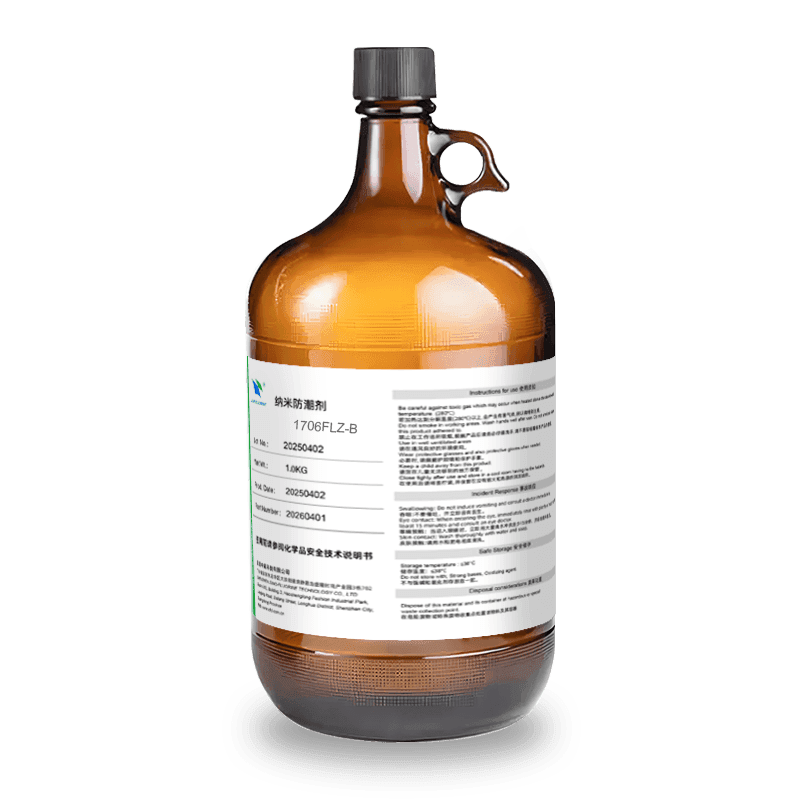
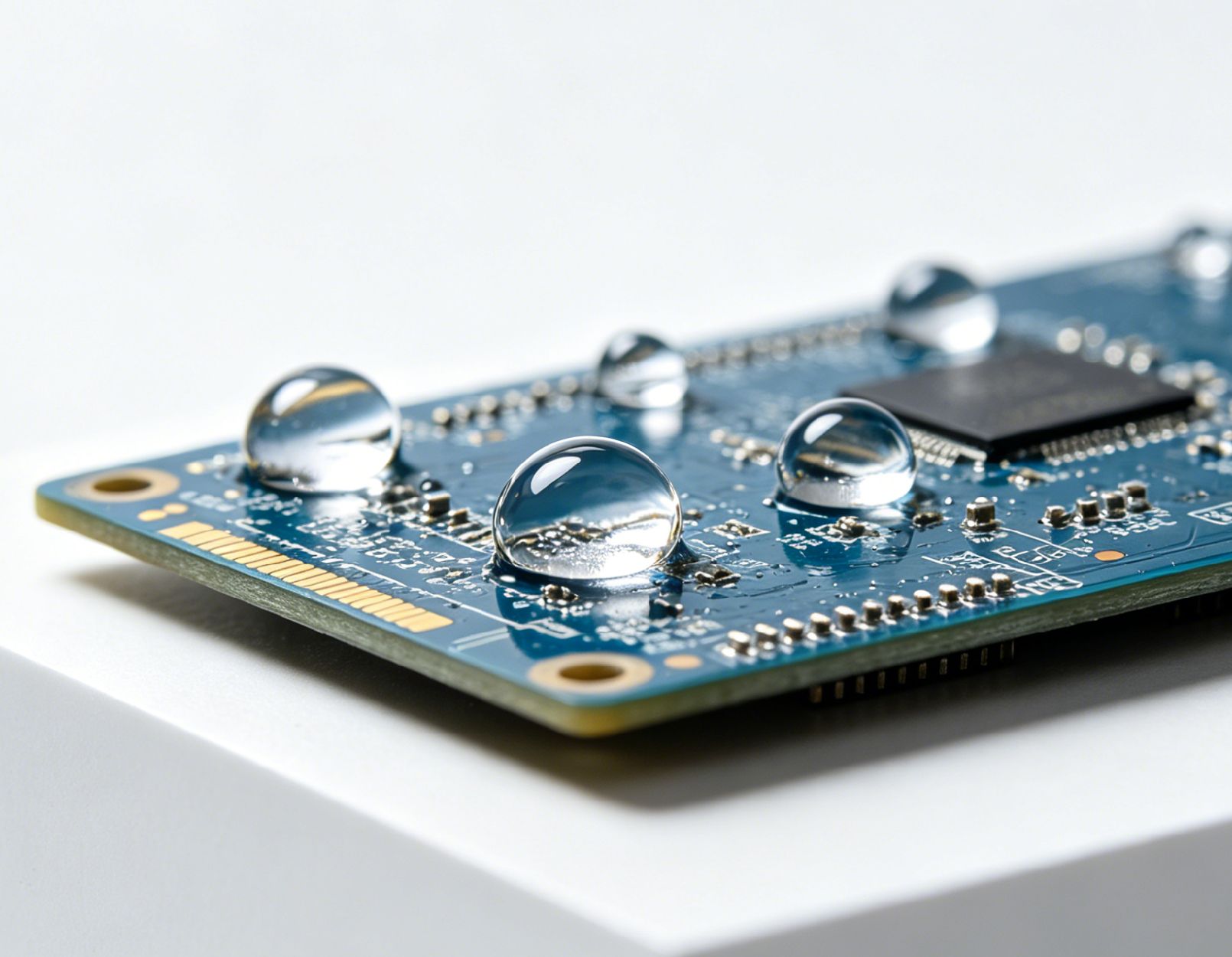
It is not a screen protector, a seal, or a bulky case. Paiqi Nano’s electronic protective nano-coating forms an ultra-thin protective film—ranging from 0.1 to 3 microns—inside the device via an immersion process. It is so thin it is invisible and so light it is imperceptible, yet it offers protection far superior to traditional methods. The key lies in its superhydrophobic properties: the coating surface has extremely low surface energy and a water contact angle as high as 116–123°. Water droplets roll off the surface just like dew on a lotus leaf; they cannot linger or penetrate.
This film forms uniformly on component surfaces through molecular self-assembly, achieving 360-degree, comprehensive coverage—even in areas traditional methods cannot reach, such as pins, crevices, and connectors.
II. Five Key Capabilities Addressing Real Pain Points in Consumer Electronics
Figure 1: Superhydrophobic nano-coating provides invisible protection for electronic devices.
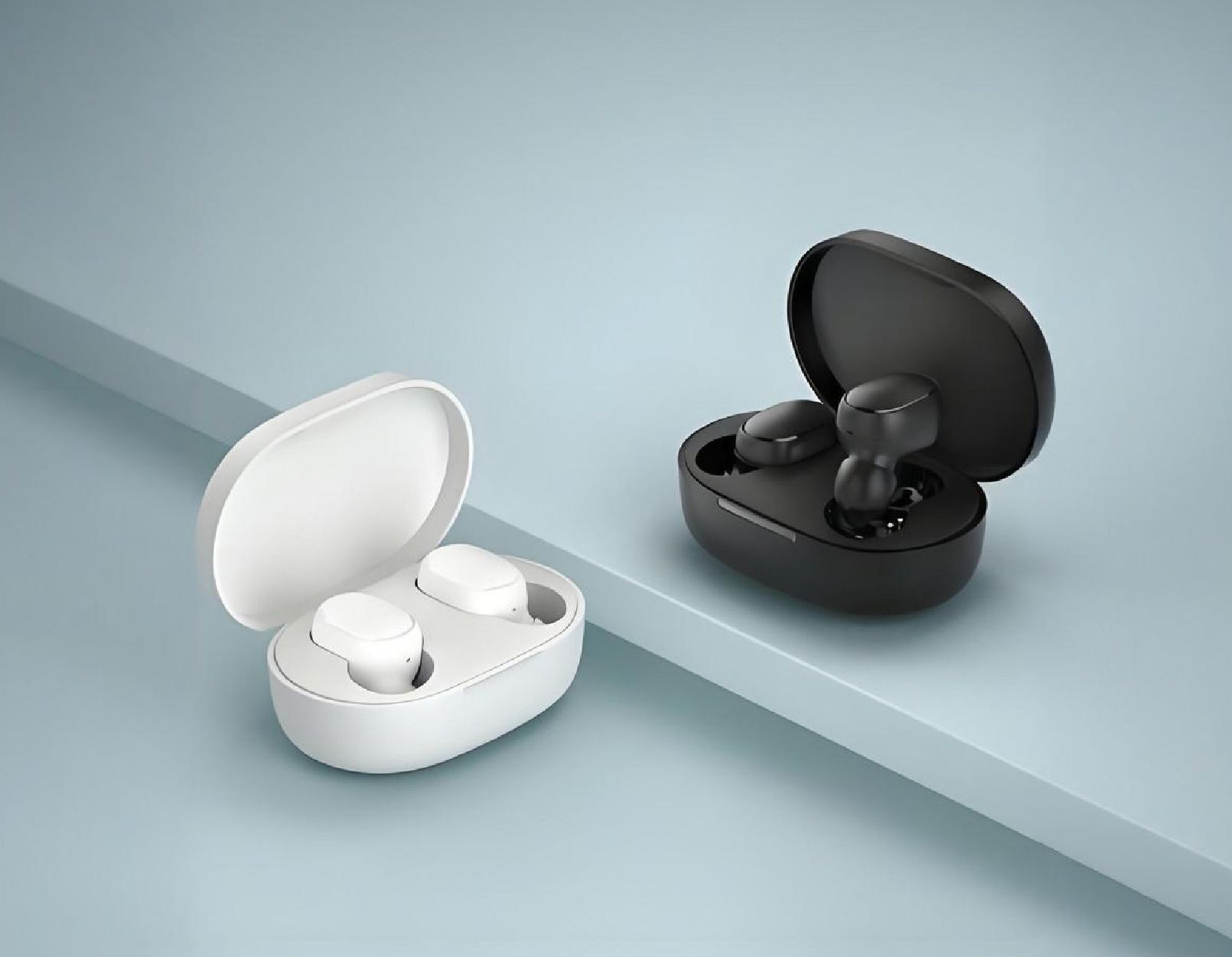
First, genuine waterproofing—fully functional even when submerged. After coating treatment, devices such as smartphones, tablets, and headphones achieve an IPX7 waterproof rating, remaining operational even after brief immersion in water. Spilled coffee, rain exposure, and sweat saturation no longer pose a fatal threat to the device. Users can enjoy the device "naked"—without the need for bulky waterproof bags or cases.
Second, sweat and corrosion resistance—an essential requirement for fitness enthusiasts. Sweat is the arch-enemy of smartwatches, fitness trackers, and Bluetooth headphones; the salts and acidic components in sweat can corrode motherboards and cause short circuits. With this coating, devices gain long-term resistance to sweat, salt spray, and corrosion. Users can run, work out, and swim with confidence, knowing the device's lifespan is extended several-fold—eliminating the need for replacement every six months.
Third, moisture and condensation protection—a boon for humid climates and bathroom environments. Smart bathroom mirrors, small kitchen appliances, and automotive electronics often operate in environments prone to high humidity and condensation caused by temperature fluctuations. The coating creates an internal "moisture barrier," preventing mold growth and short circuits, thereby significantly reducing failure rates.
Fourth, ultra-thin profile—no impact on heat dissipation or performance. Unlike traditional waterproof sealing methods, this nano-coating is measured in microns and has a thermal resistance of only 0.0057–0.11 K/W, posing virtually no hindrance to heat dissipation. Gaming phones and high-performance tablets can run at full speed without lagging or overheating in summer, resulting in a longer service life.
Fifth, safe and eco-friendly—suitable for use in sensitive applications, including maternal, infant, and medical products. The coating formula features low odor and low VOC levels, complying with international environmental standards such as RoHS and REACH. For consumer electronics clients facing strict restrictions on fluorinated substances, Zhongfu also offers fluorine-free electronic protection nano-coating solutions (superhydrophobic type), meeting green compliance requirements at the source.
III. Suitable for all devices—one-time treatment, long-term benefits
Figure 2: Hydrophobic effect of Zhongfu Technology's coating on PCBA
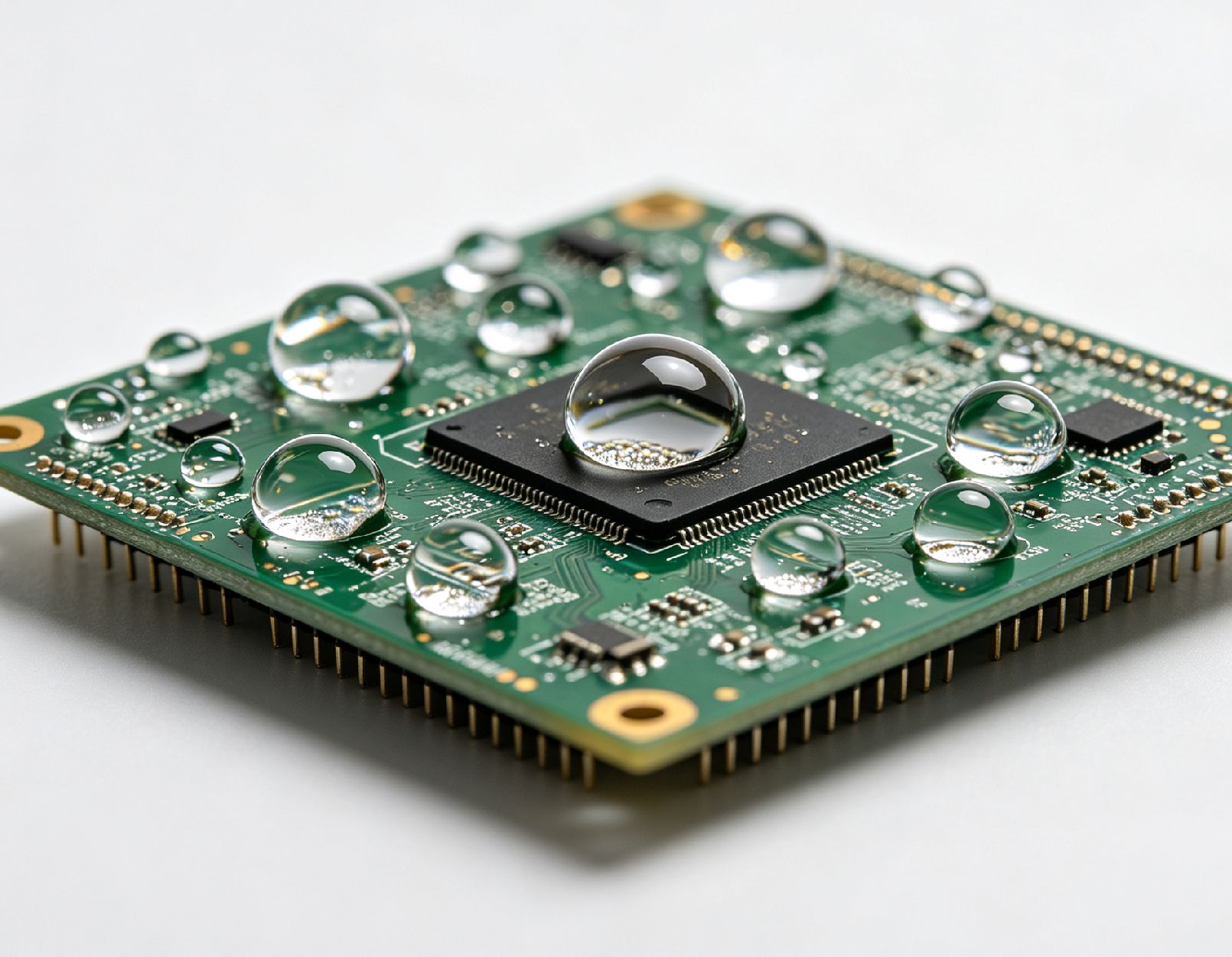
This solution covers virtually all water-sensitive consumer electronics categories: smartphones, tablets, and laptops; Bluetooth headsets, smartwatches, and fitness trackers; beauty devices, shavers, and electric toothbrushes; coffee machines, high-speed blenders, and small appliances; in-car navigation systems and dashcams; as well as drones and action cameras.
Compared to traditional waterproofing methods, the pros and cons are clear: traditional sealing rings are prone to aging, hinder heat dissipation, complicate repairs, and incur high costs; in contrast, nano-coatings do not age, do not compromise performance, facilitate easy repairs, and offer long-term benefits from a single application. This transforms "waterproofing" from a fragile physical barrier into a stable chemical shield.
The application process is equally straightforward. Zhongfu Technology employs a standardized "3-second dip + 3-minute cure" workflow: the entire PCBA is immersed in the coating solution for 3 seconds and then left to sit at room temperature for 3 minutes to complete the protection. No baking, UV curing, or vacuum equipment is required, allowing for direct integration into standard production lines. Thanks to its 360-degree, full-coverage capability, it effectively protects vulnerable areas—such as connectors, antennas, and sensors—that are often inaccessible to traditional waterproofing methods.
IV. Why is "thinness" actually more reliable?
Many people ask: Is such a thin layer truly reliable? The answer is that its reliability stems precisely from its thinness. Traditional sealing relies on "blocking"; once a rubber ring ages or cracks, water can easily penetrate. Nano-coatings rely on "repelling"; ultra-low surface energy makes it thermodynamically unfavorable for water to remain on the surface, and the dense, nano-scale film blocks moisture penetration at the source.
More importantly, the ultra-thin nature of the coating ensures no interference with heat dissipation, signal transmission, or device dimensions. For consumer electronics where slimness and lightness are prioritized, these attributes are far more valuable than a thick coating.
Traditional waterproofing solutions suffer from another critical flaw: the seal is a "one-off" proposition. While a rubber ring may be intact during assembly, it inevitably ages, deforms, and loses elasticity over time due to factors like fluctuating temperatures, mechanical vibrations, and general wear and tear. By the time a traditional seal fails, the problem has usually already occurred while the device is in the user's hands—making it too late to remedy. Nano-coatings are different; they form a stable, chemical-level bond with the substrate. They do not age or fail, providing long-lasting protection from a single application.
Zhongfu Technology is a National High-Tech Enterprise that has specialized in electronic protection for over a decade. Don't wait until your device is ruined by water damage to regret it; give your device "lifetime insurance"—protection against water immersion, sweat corrosion, and mold caused by humidity. It ensures a longer lifespan, greater peace of mind, and cost savings.
V. What exactly do IPX7 and IP67 mean? A guide to waterproof ratings
Many users find waterproof ratings like IPX7 and IP67 confusing, so here is a brief explanation. "IP" stands for Ingress Protection, and the two digits that follow represent the dustproof and waterproof ratings, respectively. The "7" in IPX7 indicates that the device can withstand short-term immersion (usually 30 minutes) in water up to 1 meter deep without water ingress; IPX8 corresponds to deeper and longer continuous immersion. The "6" in IP67 indicates complete protection against dust.
It is important to note that the waterproofing provided by electronic protection nano-coatings operates at the circuit board level, rather than relying on sealing the device's outer casing. In other words, even if water accidentally enters the casing, the internal circuit board continues to function normally thanks to the coating. This is the true meaning of "functional even when submerged" and the fundamental reason why this method is more reliable than using sealing gaskets.
VI. Application Process: Four steps, easily integrated into standard production lines
The application of the electronic protection nano-coating can be broken down into four steps. Step 1: Surface Cleaning—Ensure the PCBA to be coated is free of oil and dust. Step 2: Immersion—Submerge the entire PCBA in the coating liquid for 3 seconds, allowing capillary action to draw the liquid into all microscopic crevices. Step 3: Removal and Drying—Allow it to sit at ambient temperature for 3 minutes; the coating cures at room temperature. Step 4: Inspection—Verify uniform coverage via visual or fluorescence inspection.
The entire process requires no high-temperature baking, UV curing, or vacuum equipment. This means brands or contract manufacturers do not need to invest in large-scale machinery; a standard production line can adopt this process immediately—a key practical reason for its rapid rollout.
VII. FAQs: Will the coating peel off? Will it affect heat dissipation?
Question 1: Will the coating peel off? No. The electronic protective nano-coating forms a chemical bond with the substrate, achieving an adhesion rating of 4B or higher in the GB/T 9286-1998 cross-cut test; it is not a physical adhesive layer, so it does not peel or flake.
Question 2: Will it affect heat dissipation? Virtually not at all. The coating’s thermal resistance is only 0.0057–0.11 K/W, allowing heat to pass through easily; high-power devices dissipate heat normally without temperature spikes or thermal throttling.
Question 3: Can it be repaired if damaged? Yes. No adhesive removal is required for rework; simply re-apply the coating. It does not interfere with subsequent soldering or SMT processes.
Question 4: How long does it last? The coating is chemically inert and resistant to aging; a single application provides long-term protection, unlike sealing gaskets that degrade and fail over time.
In response to EU PFAS restrictions and the concerns of some consumer electronics clients regarding fluorine-containing substances, Zhongfu Technology is simultaneously advancing a fluorine-free, superhydrophobic solution. The fluorine-free series withstands 168–240 hours of salt spray testing without degradation and demonstrates stable performance across high and low temperatures. Clients with specific compliance requirements are encouraged to consult directly with the technical team. VIII. Key Physical Parameters: Understanding Application Performance
In terms of physical properties, the coating fluid for this electronic protection nano-coating features a density of 1.3–1.8 g/cm³, a viscosity of 2.0–15.0 mPa·s, a hardness of 5–6B, a glass transition temperature below 79°C, and an n-hexadecane contact angle of 108–122°. Its low viscosity ensures effective penetration into the gaps between components; its optimal flexibility guarantees durability against bending and vibration; and its high contact angle ensures excellent hydrophobic and oleophobic performance. These parameters form the physical foundation for its "invisible yet reliable" nature.
Your digital devices are actually far more fragile than you might think. It happens all the time: answering a call in the rain leads to water damage and a black screen, costing a fortune to repair; wearing headphones while running allows sweat to corrode the motherboard, ruining the device in just six months; coffee machines, beauty devices, and smartwatches frequently malfunction in humid environments; a child knocks over a cup of water, instantly destroying a tablet and causing the loss of all data.
Statistics show that the root cause of over 90% of digital device failures traces back to the same culprits: water, moisture, salt, and mist. Traditional waterproofing relies on sealing gaskets, but these degrade over time, impede heat dissipation, and complicate repairs. Today, Paiqi Nano offers a brand-new protective solution for devices based on the concept of an "invisible coating."
The costs associated with these failures are substantial. Repairing a flagship smartphone with water damage can easily cost over a thousand yuan; a smartwatch that breaks every six months triggers user complaints that directly damage the brand's reputation; and a beauty device production line may suffer from high rework rates due to inadequate humidity control. For consumer electronics brands, waterproofing failure represents not just an after-sales cost, but an erosion of brand trust.
I. What is "Invisible Protection"?
It is not a screen protector, a seal, or a bulky case. Paiqi Nano’s electronic protective nano-coating forms an ultra-thin protective film—ranging from 0.1 to 3 microns—inside the device via an immersion process. It is so thin it is invisible and so light it is imperceptible, yet it offers protection far superior to traditional methods. The key lies in its superhydrophobic properties: the coating surface has extremely low surface energy and a water contact angle as high as 116–123°. Water droplets roll off the surface just like dew on a lotus leaf; they cannot linger or penetrate.
This film forms uniformly on component surfaces through molecular self-assembly, achieving 360-degree, comprehensive coverage—even in areas traditional methods cannot reach, such as pins, crevices, and connectors.
II. Five Key Capabilities Addressing Real Pain Points in Consumer Electronics
Figure 1: Superhydrophobic nano-coating provides invisible protection for electronic devices.
First, genuine waterproofing—fully functional even when submerged. After coating treatment, devices such as smartphones, tablets, and headphones achieve an IPX7 waterproof rating, remaining operational even after brief immersion in water. Spilled coffee, rain exposure, and sweat saturation no longer pose a fatal threat to the device. Users can enjoy the device "naked"—without the need for bulky waterproof bags or cases.
Second, sweat and corrosion resistance—an essential requirement for fitness enthusiasts. Sweat is the arch-enemy of smartwatches, fitness trackers, and Bluetooth headphones; the salts and acidic components in sweat can corrode motherboards and cause short circuits. With this coating, devices gain long-term resistance to sweat, salt spray, and corrosion. Users can run, work out, and swim with confidence, knowing the device's lifespan is extended several-fold—eliminating the need for replacement every six months.
Third, moisture and condensation protection—a boon for humid climates and bathroom environments. Smart bathroom mirrors, small kitchen appliances, and automotive electronics often operate in environments prone to high humidity and condensation caused by temperature fluctuations. The coating creates an internal "moisture barrier," preventing mold growth and short circuits, thereby significantly reducing failure rates.
Fourth, ultra-thin profile—no impact on heat dissipation or performance. Unlike traditional waterproof sealing methods, this nano-coating is measured in microns and has a thermal resistance of only 0.0057–0.11 K/W, posing virtually no hindrance to heat dissipation. Gaming phones and high-performance tablets can run at full speed without lagging or overheating in summer, resulting in a longer service life.
Fifth, safe and eco-friendly—suitable for use in sensitive applications, including maternal, infant, and medical products. The coating formula features low odor and low VOC levels, complying with international environmental standards such as RoHS and REACH. For consumer electronics clients facing strict restrictions on fluorinated substances, Zhongfu also offers fluorine-free electronic protection nano-coating solutions (superhydrophobic type), meeting green compliance requirements at the source.
III. Suitable for all devices—one-time treatment, long-term benefits
Figure 2: Hydrophobic effect of Zhongfu Technology's coating on PCBA
This solution covers virtually all water-sensitive consumer electronics categories: smartphones, tablets, and laptops; Bluetooth headsets, smartwatches, and fitness trackers; beauty devices, shavers, and electric toothbrushes; coffee machines, high-speed blenders, and small appliances; in-car navigation systems and dashcams; as well as drones and action cameras.
Compared to traditional waterproofing methods, the pros and cons are clear: traditional sealing rings are prone to aging, hinder heat dissipation, complicate repairs, and incur high costs; in contrast, nano-coatings do not age, do not compromise performance, facilitate easy repairs, and offer long-term benefits from a single application. This transforms "waterproofing" from a fragile physical barrier into a stable chemical shield.
The application process is equally straightforward. Zhongfu Technology employs a standardized "3-second dip + 3-minute cure" workflow: the entire PCBA is immersed in the coating solution for 3 seconds and then left to sit at room temperature for 3 minutes to complete the protection. No baking, UV curing, or vacuum equipment is required, allowing for direct integration into standard production lines. Thanks to its 360-degree, full-coverage capability, it effectively protects vulnerable areas—such as connectors, antennas, and sensors—that are often inaccessible to traditional waterproofing methods.
IV. Why is "thinness" actually more reliable?
Many people ask: Is such a thin layer truly reliable? The answer is that its reliability stems precisely from its thinness. Traditional sealing relies on "blocking"; once a rubber ring ages or cracks, water can easily penetrate. Nano-coatings rely on "repelling"; ultra-low surface energy makes it thermodynamically unfavorable for water to remain on the surface, and the dense, nano-scale film blocks moisture penetration at the source.
More importantly, the ultra-thin nature of the coating ensures no interference with heat dissipation, signal transmission, or device dimensions. For consumer electronics where slimness and lightness are prioritized, these attributes are far more valuable than a thick coating.
Traditional waterproofing solutions suffer from another critical flaw: the seal is a "one-off" proposition. While a rubber ring may be intact during assembly, it inevitably ages, deforms, and loses elasticity over time due to factors like fluctuating temperatures, mechanical vibrations, and general wear and tear. By the time a traditional seal fails, the problem has usually already occurred while the device is in the user's hands—making it too late to remedy. Nano-coatings are different; they form a stable, chemical-level bond with the substrate. They do not age or fail, providing long-lasting protection from a single application.
Zhongfu Technology is a National High-Tech Enterprise that has specialized in electronic protection for over a decade. Don't wait until your device is ruined by water damage to regret it; give your device "lifetime insurance"—protection against water immersion, sweat corrosion, and mold caused by humidity. It ensures a longer lifespan, greater peace of mind, and cost savings.
V. What exactly do IPX7 and IP67 mean? A guide to waterproof ratings
Many users find waterproof ratings like IPX7 and IP67 confusing, so here is a brief explanation. "IP" stands for Ingress Protection, and the two digits that follow represent the dustproof and waterproof ratings, respectively. The "7" in IPX7 indicates that the device can withstand short-term immersion (usually 30 minutes) in water up to 1 meter deep without water ingress; IPX8 corresponds to deeper and longer continuous immersion. The "6" in IP67 indicates complete protection against dust.
It is important to note that the waterproofing provided by electronic protection nano-coatings operates at the circuit board level, rather than relying on sealing the device's outer casing. In other words, even if water accidentally enters the casing, the internal circuit board continues to function normally thanks to the coating. This is the true meaning of "functional even when submerged" and the fundamental reason why this method is more reliable than using sealing gaskets.
VI. Application Process: Four steps, easily integrated into standard production lines
The application of the electronic protection nano-coating can be broken down into four steps. Step 1: Surface Cleaning—Ensure the PCBA to be coated is free of oil and dust. Step 2: Immersion—Submerge the entire PCBA in the coating liquid for 3 seconds, allowing capillary action to draw the liquid into all microscopic crevices. Step 3: Removal and Drying—Allow it to sit at ambient temperature for 3 minutes; the coating cures at room temperature. Step 4: Inspection—Verify uniform coverage via visual or fluorescence inspection.
The entire process requires no high-temperature baking, UV curing, or vacuum equipment. This means brands or contract manufacturers do not need to invest in large-scale machinery; a standard production line can adopt this process immediately—a key practical reason for its rapid rollout.
VII. FAQs: Will the coating peel off? Will it affect heat dissipation?
Question 1: Will the coating peel off? No. The electronic protective nano-coating forms a chemical bond with the substrate, achieving an adhesion rating of 4B or higher in the GB/T 9286-1998 cross-cut test; it is not a physical adhesive layer, so it does not peel or flake.
Question 2: Will it affect heat dissipation? Virtually not at all. The coating’s thermal resistance is only 0.0057–0.11 K/W, allowing heat to pass through easily; high-power devices dissipate heat normally without temperature spikes or thermal throttling.
Question 3: Can it be repaired if damaged? Yes. No adhesive removal is required for rework; simply re-apply the coating. It does not interfere with subsequent soldering or SMT processes.
Question 4: How long does it last? The coating is chemically inert and resistant to aging; a single application provides long-term protection, unlike sealing gaskets that degrade and fail over time.
In response to EU PFAS restrictions and the concerns of some consumer electronics clients regarding fluorine-containing substances, Zhongfu Technology is simultaneously advancing a fluorine-free, superhydrophobic solution. The fluorine-free series withstands 168–240 hours of salt spray testing without degradation and demonstrates stable performance across high and low temperatures. Clients with specific compliance requirements are encouraged to consult directly with the technical team. VIII. Key Physical Parameters: Understanding Application Performance
In terms of physical properties, the coating fluid for this electronic protection nano-coating features a density of 1.3–1.8 g/cm³, a viscosity of 2.0–15.0 mPa·s, a hardness of 5–6B, a glass transition temperature below 79°C, and an n-hexadecane contact angle of 108–122°. Its low viscosity ensures effective penetration into the gaps between components; its optimal flexibility guarantees durability against bending and vibration; and its high contact angle ensures excellent hydrophobic and oleophobic performance. These parameters form the physical foundation for its "invisible yet reliable" nature.